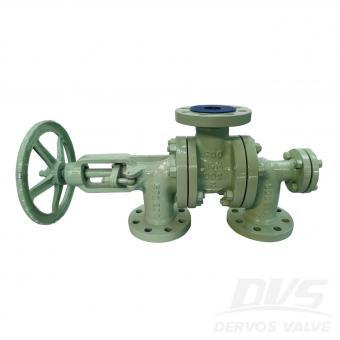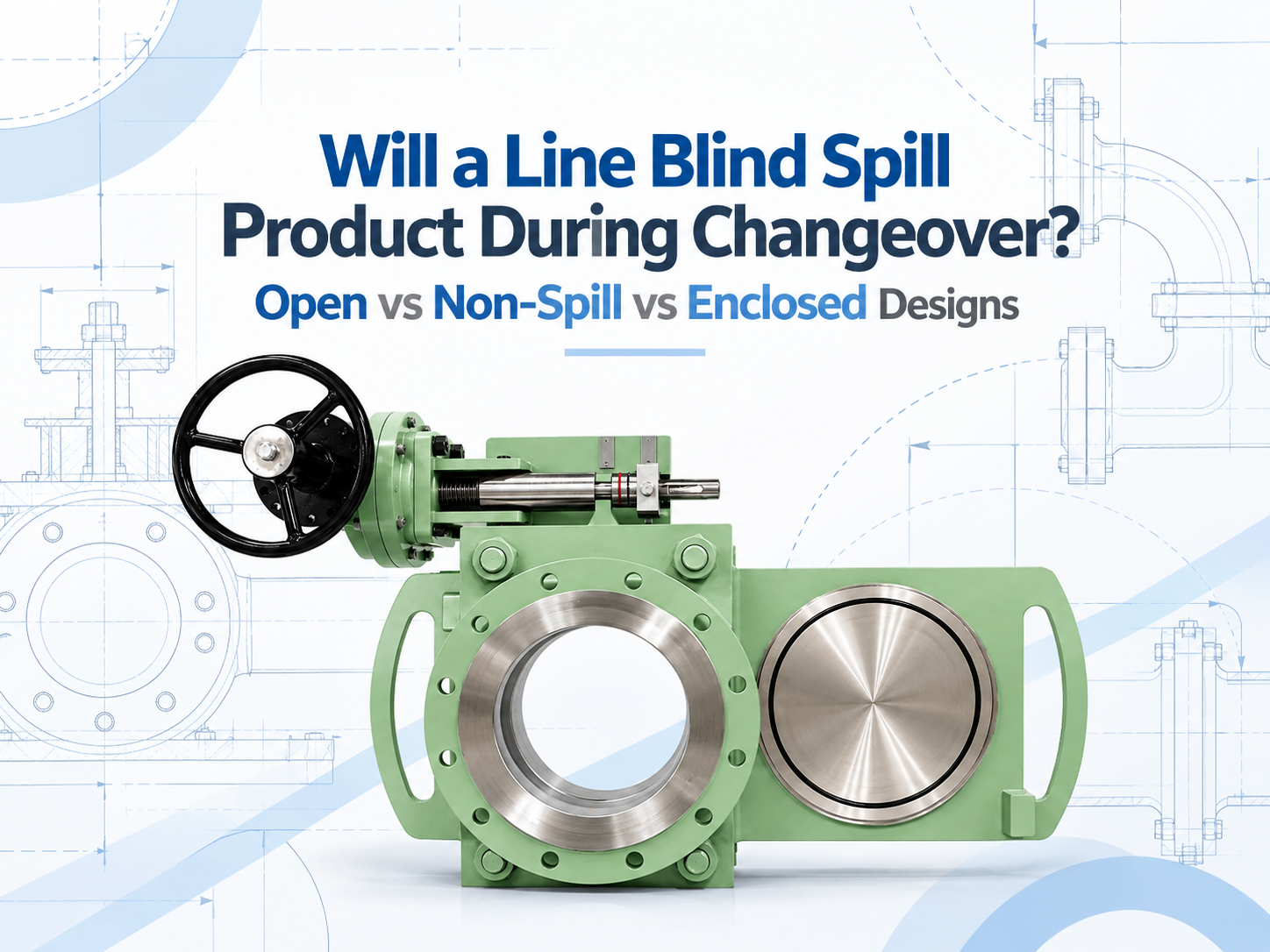
Да, обтюратор с открытым корпусом может выделять остаточный продукт при переходе между открытым положением и положением заглушки. Конструкция с защитой от проливов не заставляет эти остатки исчезать; она улавливает жидкость в частичном кожухе и направляет ее в дренаж. Закрытая конструкция может обеспечить лучший контроль жидкости и паров, но только тогда, когда ее корпус, дренажные, вентиляционные и продувочные соединения рассчитаны на данные условия работы. Ни одно из этих наименований не следует воспринимать как разрешение на перемещение заглушки под давлением в действующем трубопроводе. Почему продукт может выходить во время переключения Когда линейная заглушка полностью зажата, ее уплотнения удерживают рабочую среду, а сплошная пластина обеспечивает надежную изоляцию в положении заглушки. Переключение происходит иначе. Уплотнительные поверхности должны разделиться до того, как очковая или сдвижная пластина сможет сместиться. В течение этого интервала полость корпуса и путь перемещения пластины могут быть открыты в окружающую среду. Линия уже должна быть изолирована, сброшено давление и выполнено дренирование, но «дренированная» редко означает абсолютно сухая. Жидкость может оставаться в виде пленки на пластине, скапливаться в нижней части корпуса или находиться в плохо дренируемом кармане трубы. Работа с газом может оставлять огнеопасные, токсичные или пахучие пары. Количество выделений поэтому зависит как от компоновки трубопровода и процедуры останова, так и от самого обтюратора. Три конструкции управляют остатками по-разному Открытый корпус Остатки жидкости могут капать с открытого пути пластины в временный поддон или рабочую зону, в то время как пары рассеиваются на месте. Такое исполнение может подойти для воды, конденсата пара или других контролируемых сред, где важны легкий доступ и визуальный осмотр. Оно представляет наибольшую потенциальную опасность загрязнения пола и воздействия на оператора. Конструкция с защитой от проливов Нижняя и боковые крышки улавливают капли и направляют их в дренаж или емкость для сбора; верх может оставаться открытым. Эту конструкцию обычно рассматривают для топливных терминалов, морских условий и работы с жидкостями, где необходимо контролировать загрязнение земли или палубы. Она уменьшает капельное падение, но может не удерживать пары, а забитый дренаж сводит на нет ее назначение. Закрытая конструкция Кожух окружает большую часть или весь путь движения пластины и может соединяться с закрытым дренажем, системой продувки, вентиляции, факельной системой или системой рекуперации паров. Она лучше подходит для токсичных, легковоспламеняющихся, пахучих или экологически чувствительных сред, требующих контролируемой локализации. Обратной стороной является большая сложность продувки, осмотра и технического обслуживания, а также необходимость целенаправленного управления запертым давлением. Эти названия не полностью стандартизированы среди производителей. Модель «с защитой от проливов» у одно...
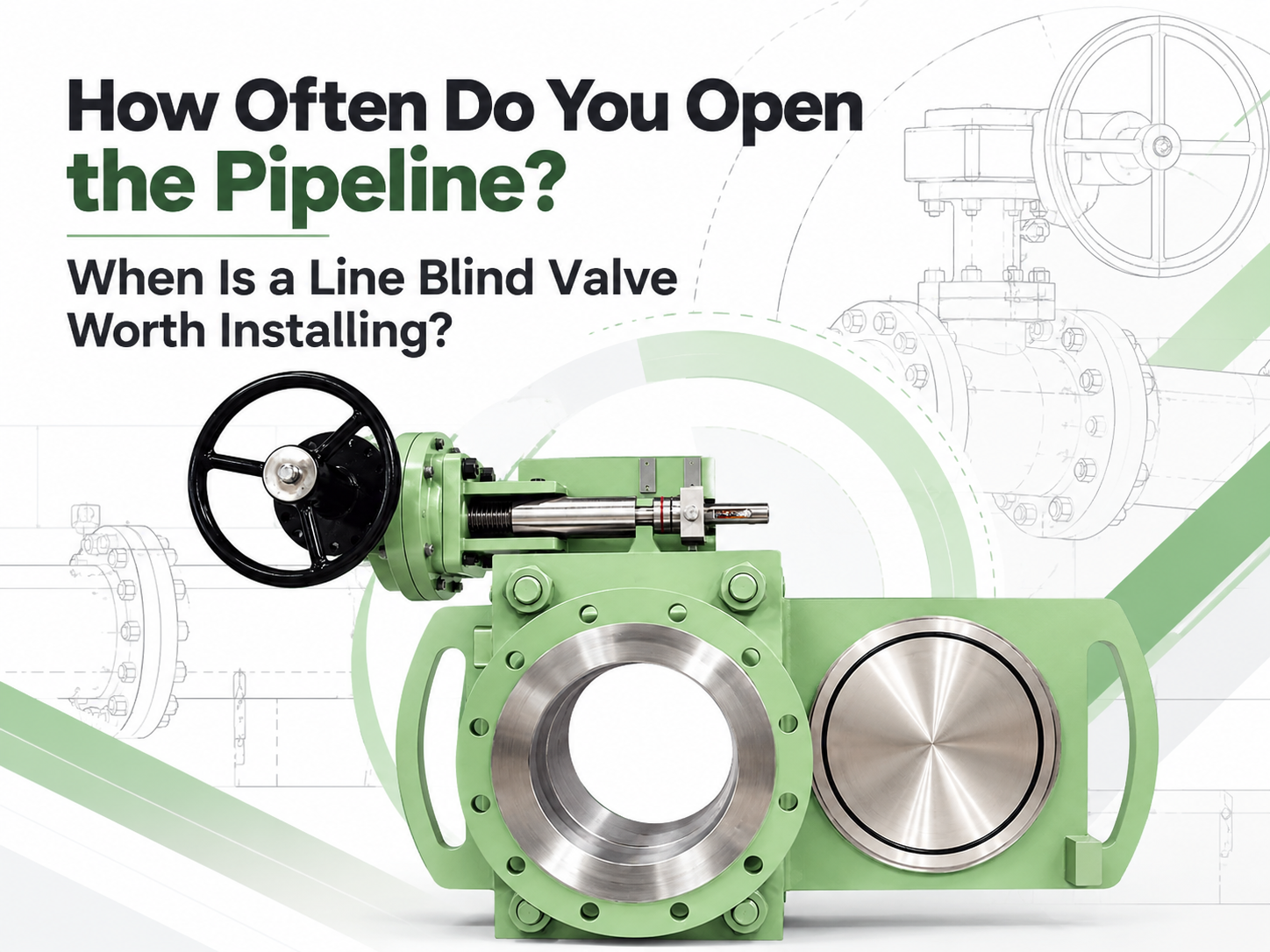
Клапан-заглушку трубопровода стоит рассмотреть, если трубопровод перекрывается заглушкой несколько раз в год или если одна обычная перенастройка приводит к часам простоя, подъемным работам или серьезному воздействию опасных остатков. Никакое универсальное количество циклов не гарантирует окупаемость. Крупная критическая линия, работающая дважды в год, может оправдать инвестиции, в то время как небольшая доступная линия, работающая ежемесячно — нет. Решение должно основываться на стоимости и риске каждого отдельного случая полной изоляции, а не только на частоте. Не существует стандартного правила «две операции в год» Некоторые поставщики используют одну или две ежегодные перенастройки в качестве порогового значения для предварительного отбора. Это может послужить началом обсуждения, но не является инженерным правилом. Частота имеет совершенно разные последствия для вспомогательной линии DN50 и магистрали технологического газа DN600. Для предварительного анализа полезны, но не обязательны следующие диапазоны: Частота установки заглушек Первичная интерпретация Один раз за капитальный ремонт или реже Съемная заглушка или очковая заглушка часто более экономичны. От одного до трех раз в год Тщательно сравните трудозатраты, подъемные работы, продолжительность простоя и риск среды. От ежеквартально до ежемесячно Клапан-заглушка быстрого действия quick-action line blind обычно является отличным кандидатом. Еженедельно или чаще Специально разработанная или автоматизированная изоляция заслуживает детального рассмотрения; также убедитесь, что клапан-заглушка подходит для требуемого циклического режима работы. Низкая частота работы все же может оправдать установку, если каждое событие требует установки лесов, крана, нескольких слесарей-монтажников или длительного перерыва в производстве. И наоборот, частая работа не оправдывает клапан-заглушку, если техпроцесс не соответствует ее требованиям по давлению, температуре, материалам или обслуживанию. Учитывайте полный цикл перенастройки Традиционная установка заглушек — это больше, чем просто перенос пластинки. После того как линия приведена в безопасное состояние, рабочие ослабляют болты, раздвигают фланцевое соединение, устанавливают глухую или проставочную пластину, заменяют прокладки, восстанавливают центровку, затягивают соединение и выполняют проверку на герметичность. Для больших размеров требуются такелажные работы и оборудование для доступа. Быстродействующая заглушка трубопровода удерживает поворотную или сдвижную пластину внутри установленного узла. В документации производителей обычно указывается переключение силами одного человека за считанные минуты вместо человеко-часов, необходимых для традиционных работ с фланцами. Эти цифры полезны для предварительной оценки, но при расчете проекта следует использовать собственные процедуры предприятия и зафиксированные во время остановов показатели времени. Используйте простое сравнение: Годовая сэкономленная стоимость = количество операций в ...
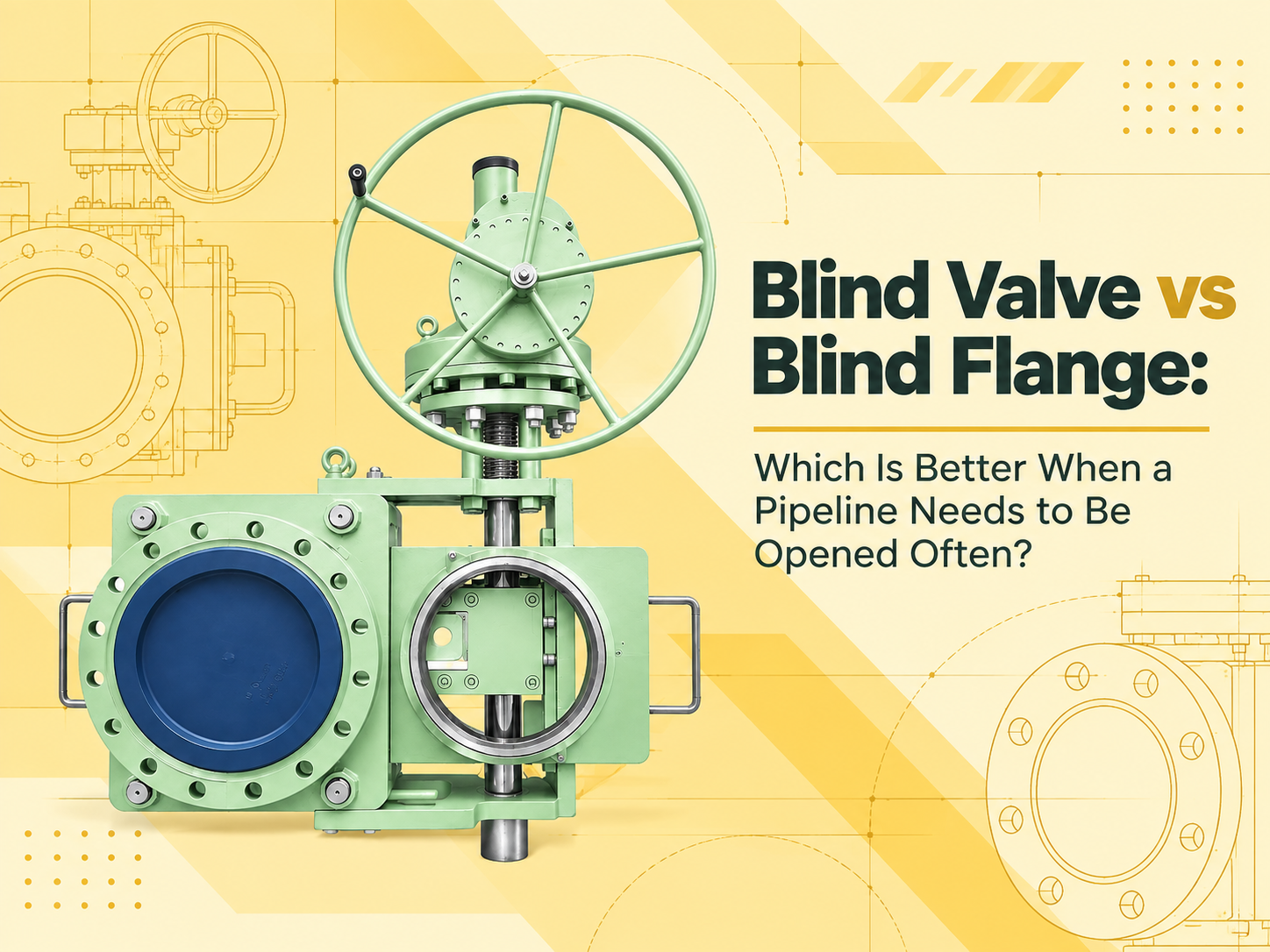
Когда трубопровод необходимо часто открывать и надежно изолировать, поворотная заглушка обычно является лучшим выбором. Она позволяет оставить механизм заглушки постоянно установленным и дает операторам возможность переключаться между открытым и закрытым положениями без необходимости многократного снятия фланцевой заглушки на болтах. Глухой фланец стоит дешевле и имеет меньше движущихся частей, но он лучше подходит для закрытия конца трубы, который будет оставаться закрытым в течение длительного времени. В этом ответе предполагается, что под «глухим фланцем» понимается сплошной фланец, приболченный к концу трубы или патрубка. Очковая заглушка или съемная заглушка-проставка, установленная между двумя фланцами, — это другое устройство, хотя оно и создает аналогичный барьер из сплошного металла для изоляции. Частое открытие меняет расчет стоимости Цена покупки говорит в пользу глухого фланца. Его конструкция проста, а техническое обслуживание в основном сводится к проверке зеркала фланца, прокладки, шпилек и гаек. Если закрытие будет нарушаться только во время периодических остановочных ремонтов, такую простоту трудно превзойти. Повторяющееся открытие меняет картину. Снятие глухого фланца требует остановки линии, сброса давления, дренажа или продувки, а также проверки безопасности. Затем необходимо ослабить болты, обеспечить поддержку фланца и разъединить уплотнительные поверхности. Для фланцев большего размера может потребоваться подъемное оборудование. Повторная сборка требует установки новой прокладки, контролируемой затяжки болтов и проверки на герметичность. Ни один из этих этапов не является необычным, но их повторение превращает недорогой компонент в трудоемкий метод эксплуатации. Поворотная заглушка также требует изоляции и сброса давления в линии перед изменением положения, если только ее утвержденная конструкция и процедура эксплуатации прямо не предусматривают иное. Ее преимущество заключается в механической обработке: пластина, проставка или скользящий элемент остаются закрепленными в корпусе, а механизм разъединяет, перемещает и повторно зажимает уплотнительные поверхности. Ручной привод может подойти для умеренных рабочих усилий; электрический, пневматический или гидравлический привод может быть оправдан для больших размеров или дистанционного управления. Поворотная заглушка сокращает объем работ по перемещению, но добавляет оборудование, требующее обслуживания Для частого переключения поворотная заглушка может сократить время выполнения задачи и уменьшить необходимость многократного перемещения тяжелых пластин, болтов и прокладок. Ее открытое или закрытое положение обычно видно по внешнему индикатору положения, что помогает при проверке на месте. Это также позволяет избежать необходимости постоянно раздвигать соединенные трубопроводы для установки или снятия заглушки. Эти преимущества сопровождаются дополнительным техническим обслуживанием. Направляющие, винты, редукторы, гидравлические компоненты, уплотнения и блокиро...
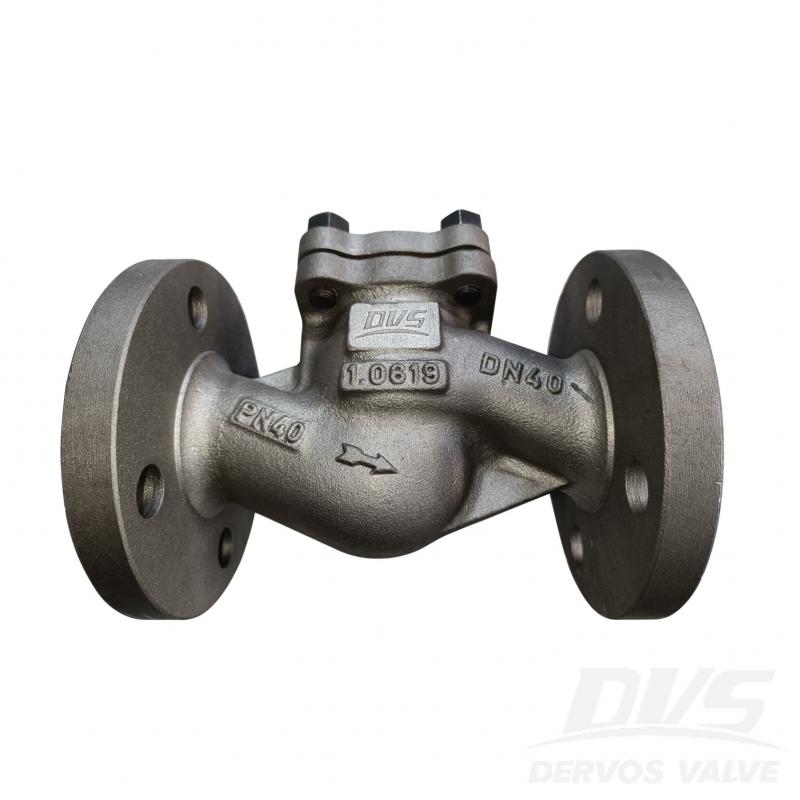
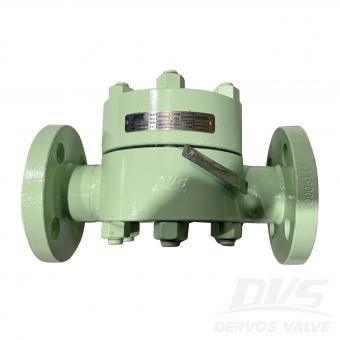
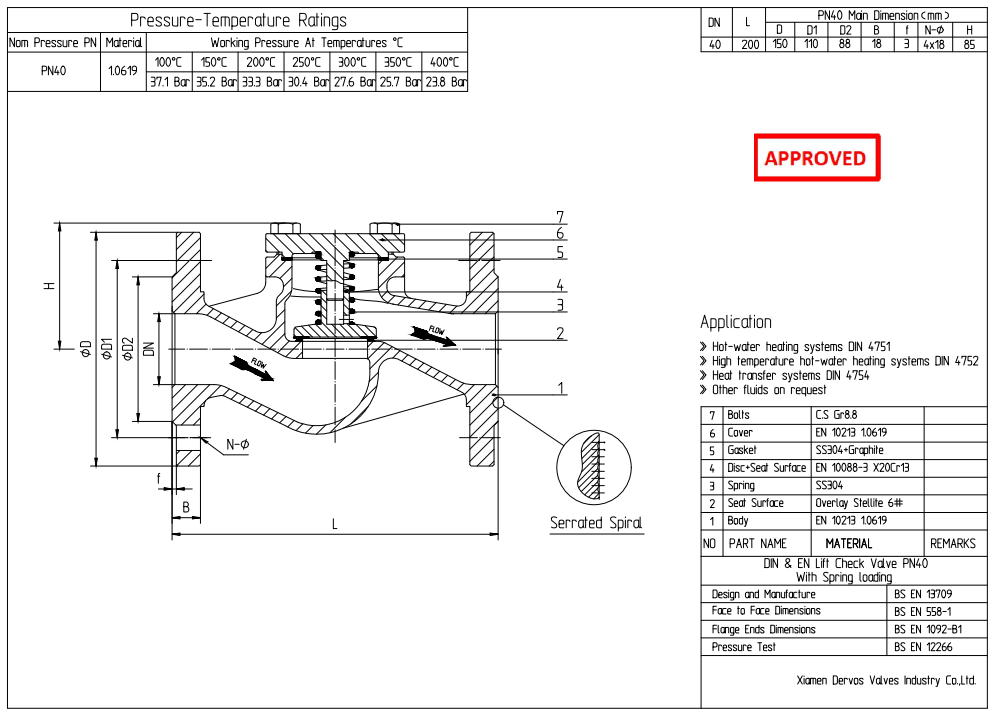
Обратный подъемный клапан DN40 PN40 изготовлен в соответствии со стандартом BS EN 13709. Корпус клапана изготовлен из EN 10213 1.0619. Имеет структурные характеристики подъемного типа с пружиной. Режим его соединения - EN1092-1 B1.
Оплата:
30% when order confirmed, 70% before shipmentпроисхождение продукта:
ChinaЦвет:
Customizationпорт доставки:
Shanghai, ChinaВремя упреждения:
30~60 days Ex Works after order confirmationMaterial:
EN 10213 1.0619|
Тип |
Подъемный обратный клапан |
|
Размер |
Ду40 |
|
Давление |
ПН40 |
|
Связь |
EN1092-1 B1 |
|
Материал корпуса |
EN 10213 1.0619 |
|
Норма проектирования |
BS EN 13709 |
|
Размеры лицом к лицу |
BS EN 558-1 |
|
Размеры фланцевых концов |
BS EN 1092-B1 |
|
Испытание под давлением |
BS EN 12266 |
|
Применимая среда |
Вода, нефть и газ |
1. Открытие и закрытие осуществляется автоматически под действием давления среды;
2. Простая конструкция, простота обслуживания, отличные характеристики герметизации.
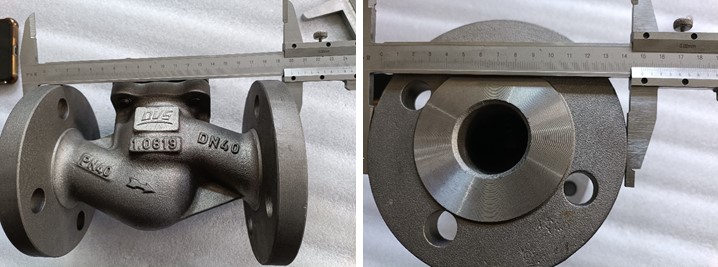
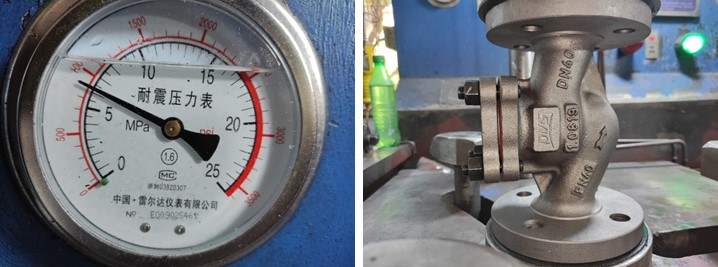
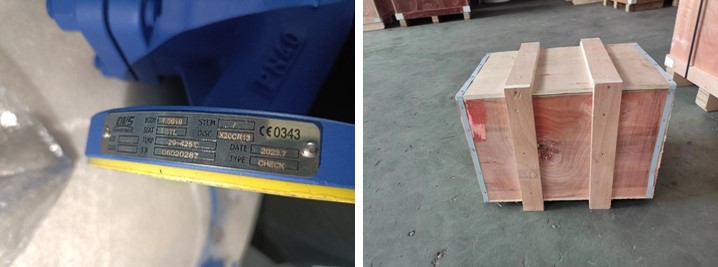
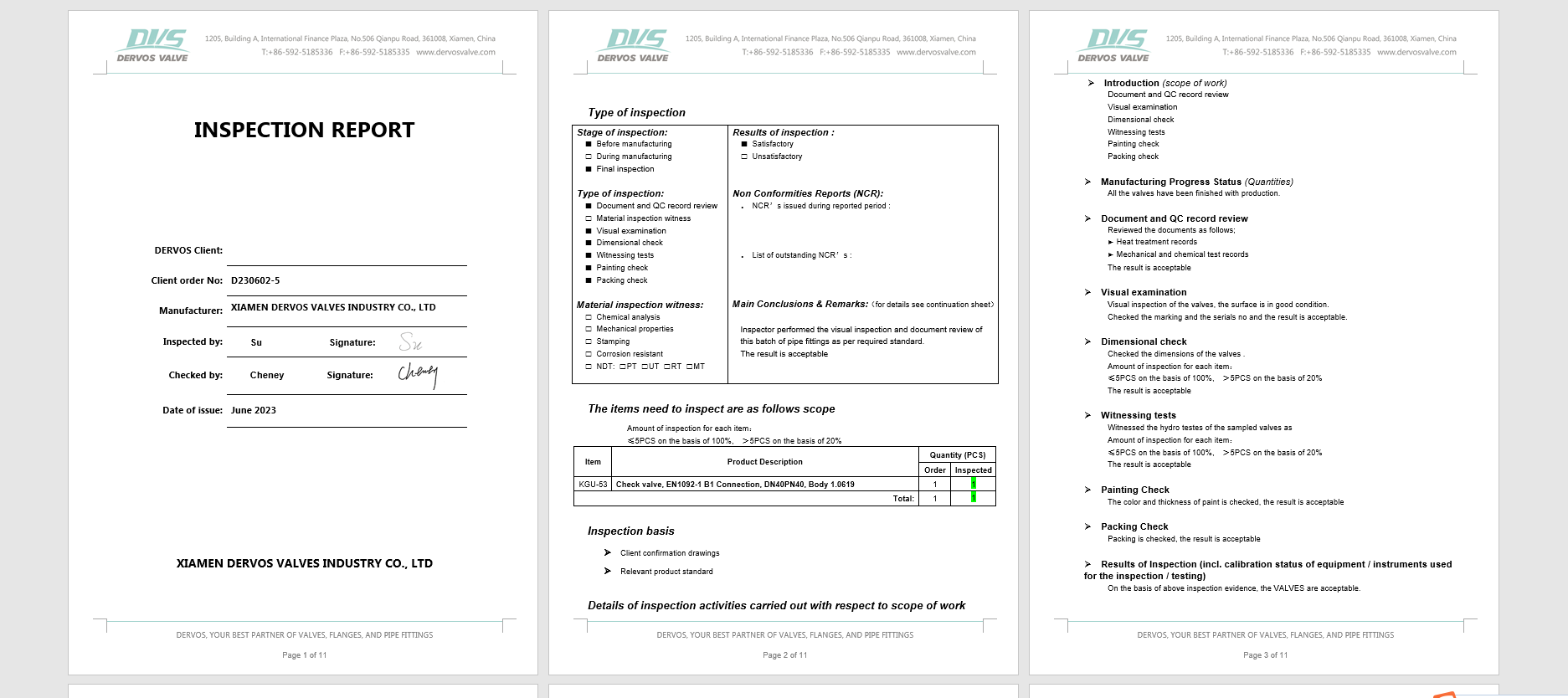
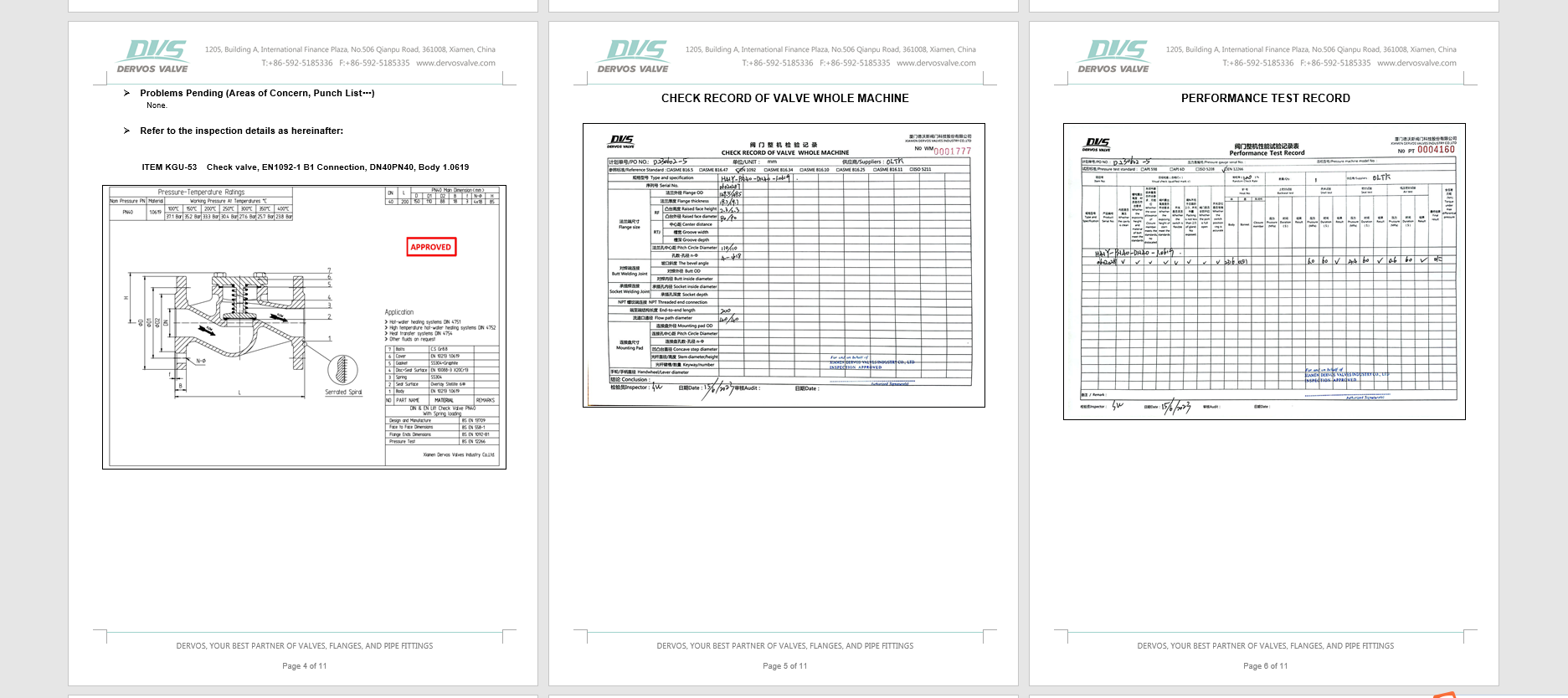
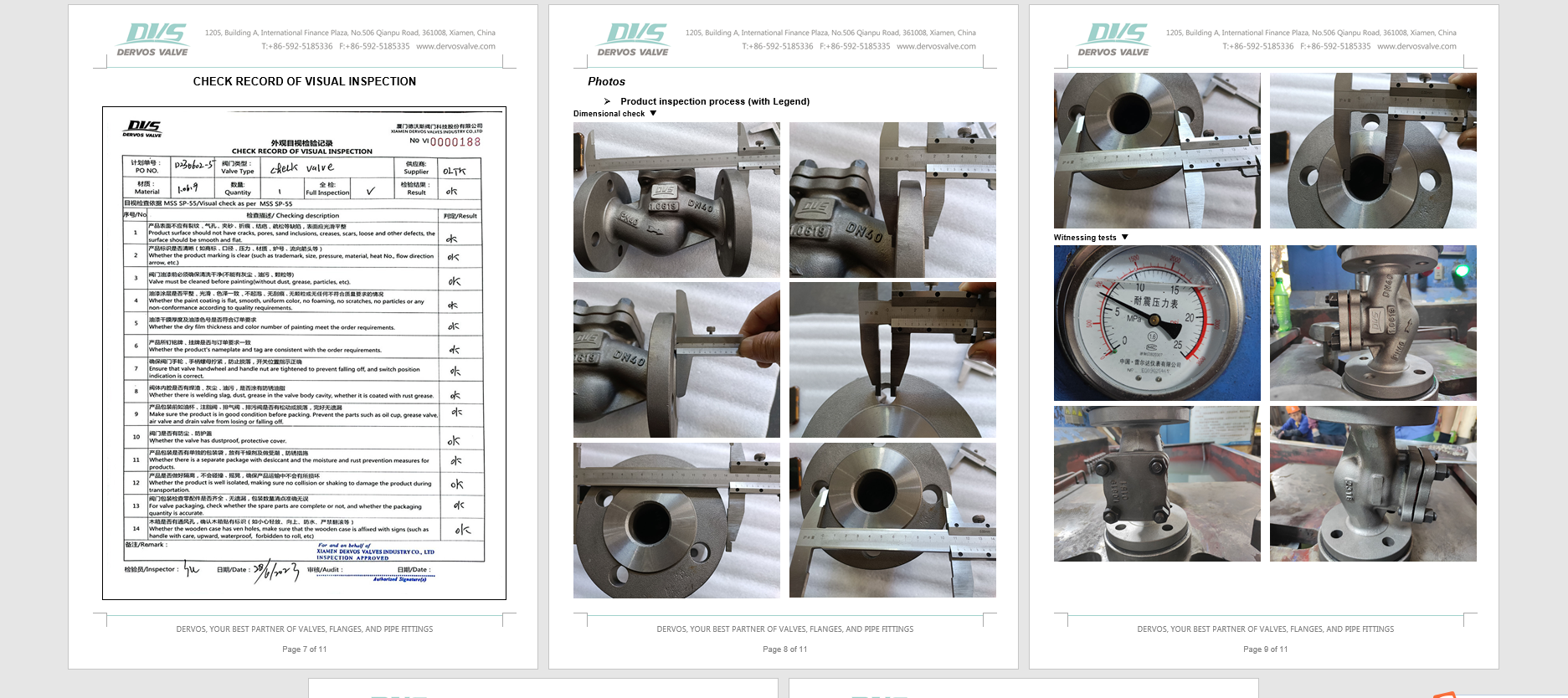
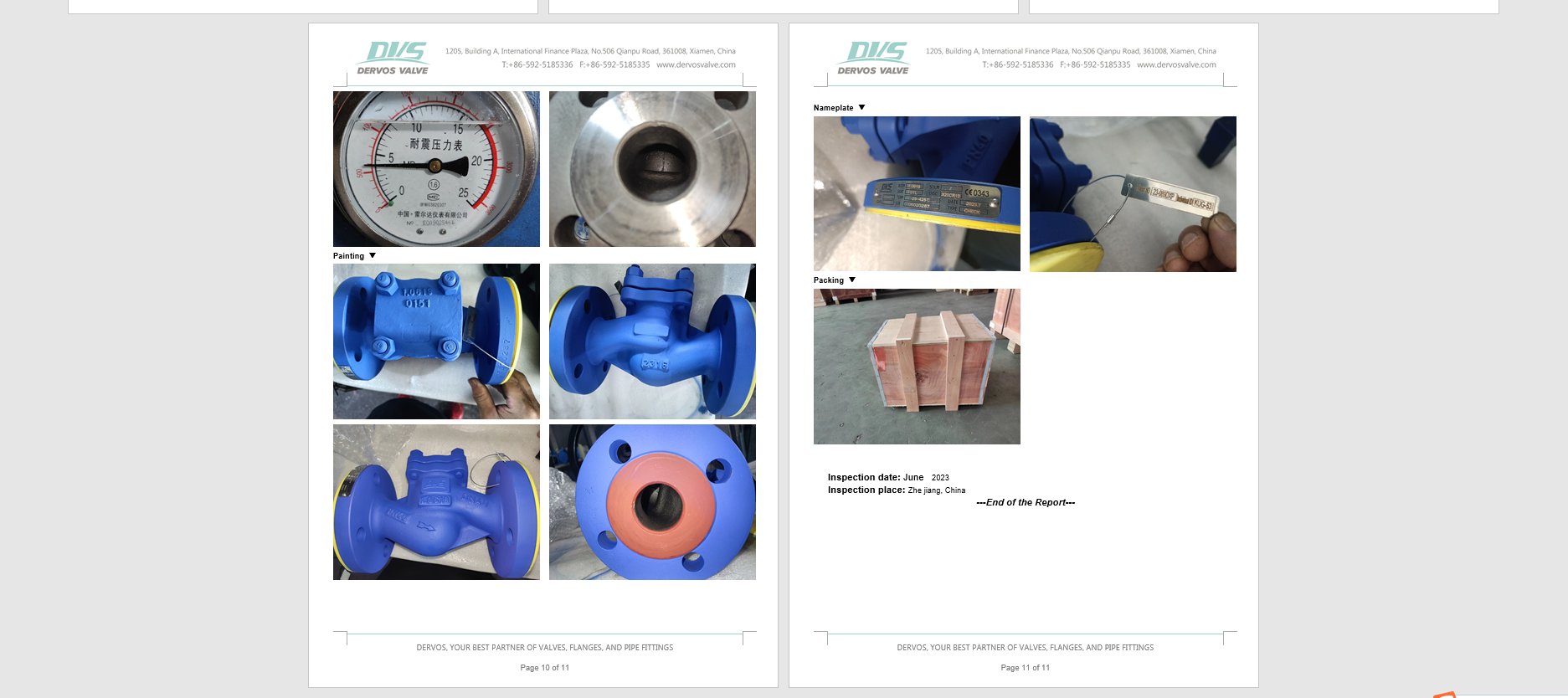
Если вы заинтересованы в наших продуктах и хотите знать больше деталей,пожалуйста, оставьте здесь сообщение,мы ответим вам как только мы можем.
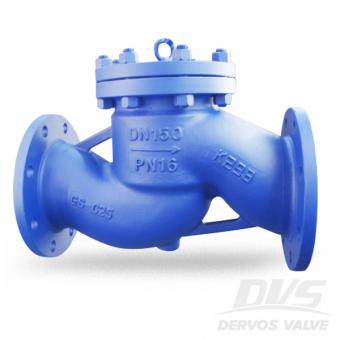
Обратный обратный клапан лифта из литой стали оснащен диском поршневого типа, болтовой крышкой и фланцем pn16. подпружиненный обратный клапан соответствует DIN 3356. быстрая деталь тип чек об оплате клапан (обратный клапан) номинальный диаметр дп 150 nominalpressure пн 16 строительство лифт тип / тип поршня, крышка на болтах соединение отбортованный соединение дизайн & amp; производство шум 3356 концы с концами ан 558 соединение ан 1092 тест & amp; осмотр ан 12266 материал корпуса углерод сталь GS c25 СМИ w.o.g. ассортимент продукцииМатериал корпуса: CS, SS, легированная сталь, CI, бронза, латуньдиапазон размеров: 2 ”~ 12” (dn50 ~ dn300)Тип конца: стыковая сварка, раструбная сварка, фланцевая, навинчиваемаядиапазон давления: 150 фунтов ~ 2500 фунтов (pn16 ~ pn420)температурный диапазон: -46 ℃ ~ + 425 ℃ связанные знаниячто такое поршневой обратный клапан? как правило, у нас есть обратный клапан поворотного типа и обратный клапан подъемного типа. поршневой обратный клапан и шаровой обратный клапан принадлежат к обратному клапану подъемного типа. во многих случаях поршневой обратный клапан использует пружину для удержания диска в закрытом положении. конструкция поршневого обратного клапана очень похожа на шаровой клапан только без ручного управления. Благодаря поршневому типу диска и превосходной герметичности поршневые обратные клапаны подходят для небольших размеров и условий высокого давления.
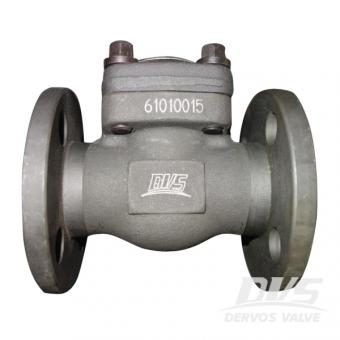
Обратный клапан подъема из кованой стали спроектирован с давлением класса 150 и номинальным размером 1 дюйм в соответствии со стандартом API 602. Мы также называем его поршневым обратным клапаном. быстрая деталь тип чек об оплате клапан размер 1 '' Расчетное давление 150lb строительство лифт тип, поршневой тип соединение ВЧ фланец дизайн & amp; производство апи 602 концы с концами как я B16.10 соединение как я B16.5 давление & amp; температура как я B16.34 тест & amp; осмотр апи 598 материал корпуса ASTM a105n отделочный материал отделка 5 временной диапазон -29 ℃ ~ 425 ℃ СМИ w.o.g. проверка размеров испытание под давлением упаковка
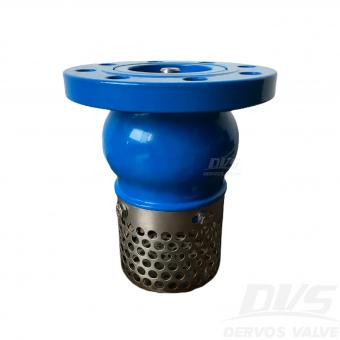
2-дюймовый донный клапан 150 фунтов изготовлен из нержавеющей стали.
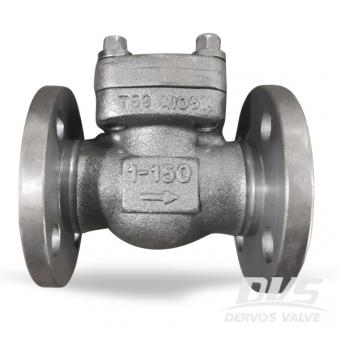
благодаря простоте потока, эффективен и практически не требует обслуживания дизайн, безболезненный стальной шар обратный клапан обычно указывается и используется на станциях погружных подъемников сточных вод.
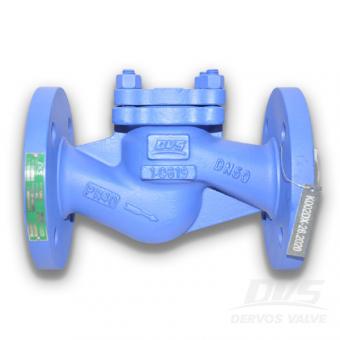
Это .Весенний загрузки обратного клапана, выполненный в соответствии с DIN3840, не требует давления силы тяжести или заднего потока для работы или Активировать. Это Материал для тела 1.0619 Включите клапан работать под большим жаром и это Весна может вместить широкий ассортимент температуры, тоже.
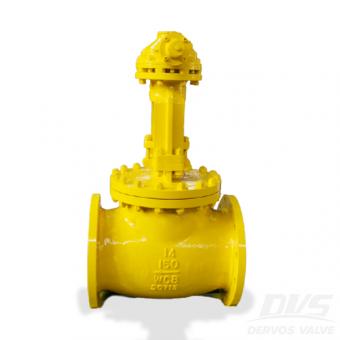
Китайский клапан производитель Dervos Поставки обратного клапана, который отличается через трубопровод, диск вилки типа и заменяемой сиденье ожидать Эти 14 дюймов 150 фунтов Обратный клапан, другие типы клапанов различных материалов, размеров также доступны.
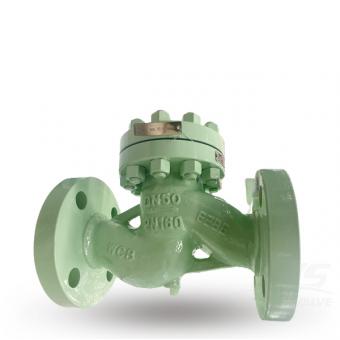
Подпружиненный обратный клапан DN50 PN160, изготовленный из литой стали, приводится в действие потоком и перепадом давления с помощью давления пружины. И он не требует вмешательства человека, не требуется для работы, прост в использовании.
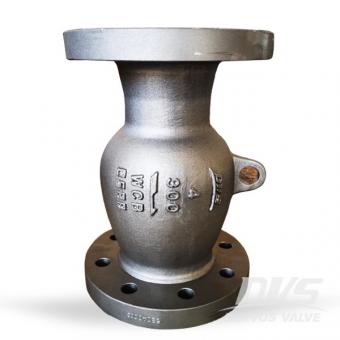
Невозвратный клапан из нержавеющей стали с нескользящим диском, Пружина INCONEL X750, Корпус клапана WCB. Этот клапан обладает превосходными динамическими характеристиками и сводит к минимуму вибрации и шум.
Обратный клапан 1 "2500LB изготовлен в соответствии со стандартом ASME B16.34. Корпус клапана изготовлен из F316L. Он имеет конструктивные характеристики подъемного типа, самоуплотняющийся под давлением, обычного диаметра. Его тип соединения - FNPT.
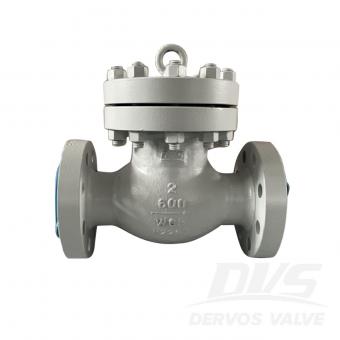
2-дюймовый обратный клапан 600 фунтов изготовлен в соответствии со стандартом BS1868. Корпус клапана изготовлен из A216 WCB. Он имеет конструктивные характеристики подъемного типа, крышки болта и седла корпуса клапана. Его режим соединения - RF.
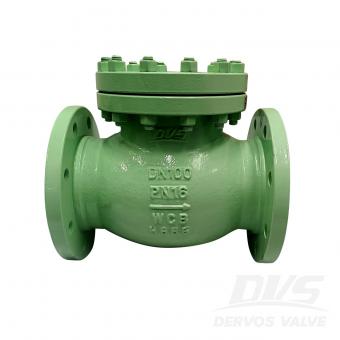
Обратный клапан DN100 PN16 изготовлен в соответствии со стандартом EN12516-1. Корпус клапана изготовлен из ASTM A216 WCB+STL. Он имеет структурные характеристики подъемного типа с пружиной. Его режим подключения — EN1092-1 B.
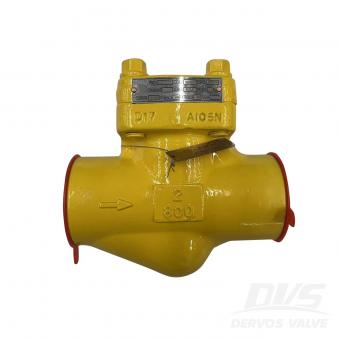
2-дюймовый обратный клапан 800LB изготовлен в соответствии со стандартом API 602. Корпус клапана изготовлен из ASTM A105N+STL. Он имеет структурные характеристики подъемного типа. Режим подключения — SW.


Авторское право © 2015-2026 DERVOS VALVE CO.,LTD.Все права защищены Блог / Карта сайта / XML / политика конфиденциальности