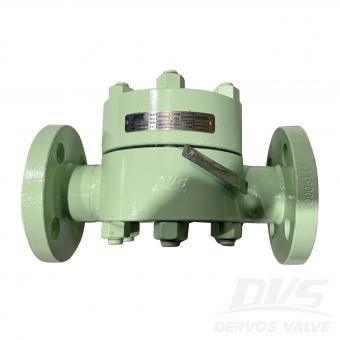
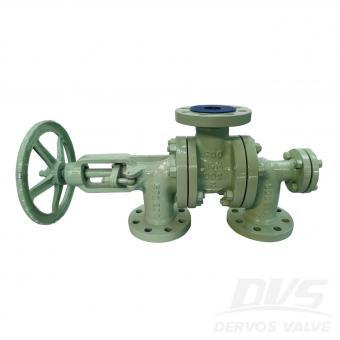
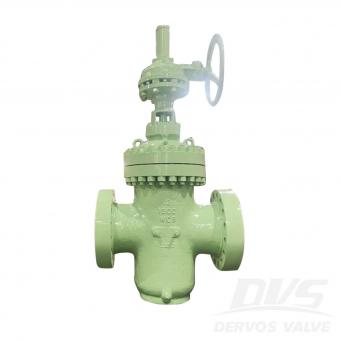
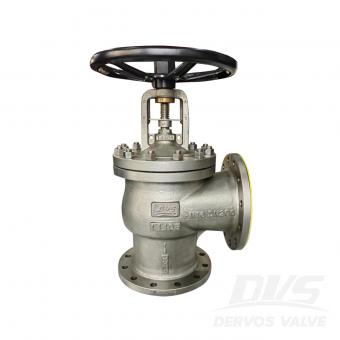
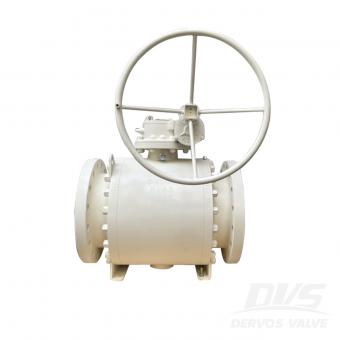
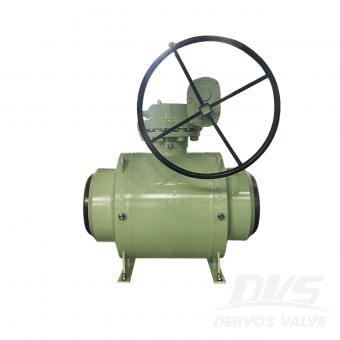
Интегрированный клапан с двойным запором и сбросом (DBB)обычно проще в установке, чем сборка из двух запорных клапанов и одного спускного клапана, собранных по отдельности. Он занимает меньше места на линии, требует меньше соединений на месте монтажа и обычно требует меньше опор для трубопровода. С точки зрения технического обслуживания ситуация менее однозначна. Установка трех отдельных клапанов требует больше работы, но каждый компонент можно отремонтировать или заменить, не рассматривая весь узел изоляции как единое проприетарное устройство.
Это различие имеет значение. Компоновка с наименьшими затратами на установку не всегда является вариантом с наименьшими затратами на протяжении всего жизненного цикла.
Традиционная трехклапанная схема требует двух запорных клапанов, одного спускного клапана, соединительных труб или фитингов, а также достаточного пространства для их сборки и установки опор. Каждый фланец, резьбовое соединение или сварной шов на месте монтажа увеличивает объем работ по установке и создает еще один потенциальный путь для внешней утечки. Допуски на размеры также могут накапливаться по всей сборке, особенно когда она должна поместиться между существующими патрубками оборудования.
Интегрированный клапан DBB объединяет два запорных элемента и промежуточную функцию сброса в одном корпусе. Это позволяет уменьшить строительную длину, массу установленного оборудования и количество соединений. Это преимущество особенно ценно для морских модулей, компактных рамных конструкций, точек отбора проб для приборов и трубопроводов на действующих предприятиях, где доступ ограничен.
Компактность не означает отсутствие необходимости в зазорах. Установщику по-прежнему требуется пространство для управления обоими запорными элементами, доступа к спускному соединению, снятия болтов и обслуживания приводов или сальниковых уплотнений штока. Спускное отверстие также должно быть выведено в безопасное место. Маленький корпус, который делает дренаж недоступным, — это плохая установка, даже если он вписывается в имеющийся зазор в трубопроводе.
Три отдельных клапана делают границы технического обслуживания очевидными. Если спускной клапан засоряется или в одном из запорных клапанов возникает чрезмерная утечка через седло, этот компонент часто можно заменить стандартным изделием. Предприятия, которые уже имеют на складе такие же шаровые, клиновые или игольчатые клапаны, также могут воспользоваться преимуществами привычных процедур и общих запасных частей.
Минусом является большее количество компонентов. Большее число штоков, прокладок, фитингов и соединений корпуса означает больше точек контроля. Полость между запорными клапанами также может содержать более длинные «мертвые зоны», где могут скапливаться твердые частицы, парафин или коррозионно-активная жидкость. Для работы с загрязненными средами спускной отвод должен быть рассчитан и ориентирован так, чтобы он мог действительно очищать полость от удерживаемой среды, а не просто выпускать чистую испытательную жидкость.
Интегрированный клапан устраняет множество внешних соединений, но концентрирует функции изоляции в одном узле. Перед его выбором определите, можно ли обслуживать седла, уплотнения, штоки и спускной клапан непосредственно на линии. Конструкция картриджного типа с доступными внутренними деталями может быть простой в обслуживании. Конструкция, требующая полного демонтажа клапана, может превратить замену одного поврежденного седла в длительный простой. Проприетарные комплекты седел и интерфейсы приводов также заслуживают внимания во время рассмотрения тендерных предложений, а не после ввода в эксплуатацию.
«Один клапан DBB» — это не полное техническое описание. В некоторых изделиях используются два отдельных запорных элемента в одном корпусе; в других — один запорный элемент с двумя седлами и сбросом из полости. Их направления давления, поведение седел и реакция на давление в полости могут различаться.
Поэтому в спецификации должны быть указаны требуемая функция изоляции, направление давления, схема сброса и метод проверки герметичности седел. В ней также должны быть отражены вопросы сброса давления из полости при нагреве, положения по блокировке или маркировке, требования пожарной безопасности и критерии допустимой утечки через седло. Для вскрытия линии или входа в сосуд процедура изоляции на предприятии может потребовать установки заглушки или другой формы позитивной механической изоляции даже при установке схемы DBB.
Выбирайте интегрированный клапан DBB когда пространство, вес, время установки и сокращение количества внешних соединений являются решающими факторами. Это часто более предпочтительный вариант для комплектного оборудования, морских установок и ответственных технологических соединений, при условии, что понятны внутренняя конструкция и возможности технического обслуживания.
Выбирайте три отдельных клапана, когда замена на уровне компонентов, стандартизированные запчасти на предприятии и свободный доступ важнее, чем занимаемая площадь. Эту схему также может быть проще адаптировать, если для двух запорных клапанов требуются разные конструкции или если для спускной линии требуется более крупное, промываемое соединение для работы с загрязненными средами.
Таким образом, практический ответ неоднозначен: один клапан DBB обычно проще установить, в то время как три отдельных клапана могут быть проще в обслуживании в течение длительного срока службы предприятия. Интегрированный узел может выигрывать в обоих сравнениях, но только тогда, когда его внутренние детали подлежат обслуживанию, путь сброса пригоден для использования, а запасные части будут доступны в будущем.


Авторское право © 2015-2026 DERVOS VALVE CO.,LTD.Все права защищены Блог / Карта сайта / XML / политика конфиденциальности