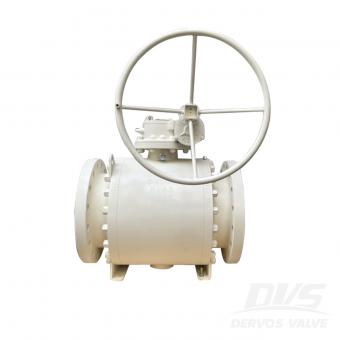
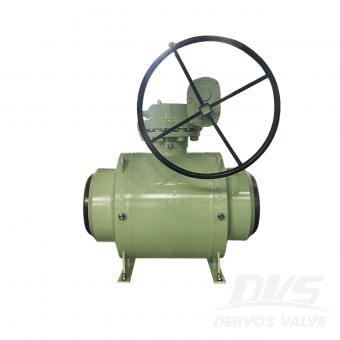
Главное отличие между двухэксцентриковым и трёхэксцентриковым поворотным затвором заключается в геометрии уплотнения. Двухэксцентриковый поворотный затвор имеет два смещения, которые при работе отводят диск от седла. Это снижает трение по сравнению с концентрическим поворотным затвором.
Трёхэксцентриковый поворотный затвор добавляет третье смещение: наклонную уплотнительную поверхность. Такая конструкция ещё больше уменьшает трение между диском и седлом и обычно используется с металлическими седлами. Для сложных условий эксплуатации такая геометрия может повысить стабильность уплотнения и уменьшить износ.
Проще говоря, двухэксцентриковый затвор часто является практичным выбором для промышленности. Трёхэксцентриковый затвор — выбор для тяжёлых условий эксплуатации.
Двухэксцентриковый поворотный затвор хорошо подходит, когда требуется лучшее уплотнение и более длительный срок службы седла по сравнению с базовым концентрическим затвором, но не требуется полноценная конструкция для тяжёлых условий эксплуатации.
Он часто используется в:
● Водоподготовке
● Системах отопления, вентиляции и кондиционирования
● Морских системах
● Общих химических трубопроводах
● Коммунальных системах нефтегазовой отрасли
● Вспомогательных системах электростанций
Двухэксцентриковые затворы часто называют высокоэффективными поворотными затворами. Они могут обеспечивать надёжное перекрытие, меньший рабочий крутящий момент и лучшую долговечность по сравнению с конструкциями с центральной осью. Для многих стандартных промышленных систем они обеспечивают хороший баланс между характеристиками и стоимостью.
Однако материал седла также имеет значение. Если в затворе используется мягкое седло, необходимо тщательно проверить совместимость с температурой и рабочей средой.
Трёхэксцентриковый поворотный затвор следует рассматривать, когда процесс характеризуется более высокой температурой, большей абразивностью, большей критичностью или требует более плотного перекрытия в течение длительного срока службы.
Он обычно используется в:
● Паровых системах
● Нефтеперерабатывающих заводах
● Нефтехимических предприятиях
● Газовых трубопроводах с высокой температурой
● Генерации электроэнергии
● Морские и тяжелые условия эксплуатации
Клапаны с тройным эксцентриситетом часто выбирают, когда требуется уплотнение «металл по металлу». Они также полезны там, где мягкие седла могут деформироваться, стареть или выходить из строя из-за высокой температуры, давления или агрессивных сред.
Для критически важных задач изоляции более высокая начальная стоимость может быть оправдана улучшенными характеристиками уплотнения, увеличенным сроком службы и сниженным риском технического обслуживания.
|
Фактор |
Поворотный дисковый клапан с двойным эксцентриситетом |
Поворотный дисковый клапан с тройным эксцентриситетом |
|
Конструкция эксцентриситета |
Два эксцентриситета |
Три эксцентриситета |
|
Распространенный тип седла |
Мягкое седло или огнестойкое седло |
Металлическое седло или ламинированное металлическое седло |
|
Лучше всего подходит для |
Умеренных условий эксплуатации |
Тяжелых условий эксплуатации |
|
Диапазон температур |
Ограничен материалом седла |
Лучше подходит для высоких температур |
|
Характеристики герметичности |
Хорошие при правильном выборе |
Лучше для требований к плотному перекрытию потока |
|
Стоимость |
Обычно ниже |
Обычно выше |
|
Риск технического обслуживания |
Средний |
Ниже в тяжелых условиях эксплуатации |
|
Типичное применение |
Вода, системы HVAC, инженерные системы |
Пар, нефтепереработка, нефтехимия, энергетика |
Начинайте с условий эксплуатации, а не с названия клапана. Клапана с двойным эксцентриситетом может быть достаточно для чистой воды, охлажденной воды, общих технологических сред или умеренных условий работы с нефтью. Клапан с тройным эксцентриситетом лучше подходит, когда система включает высокую температуру, высокое давление, абразивные частицы, требования пожаробезопасности или строгие ограничения по утечкам.
Перед выбором подтвердите:
● Среда
● Класс давления
● Рабочая температура
● Размер линии
● Материал седла
● Требование к герметичности
● Концевое соединение
● Метод управления
● Применимые стандарты
● Доступ для технического обслуживания
Если клапан будет автоматизирован, также проверьте крутящий момент, размеры привода, частоту циклов, управляющий сигнал и безопасное положение при отказе.
Нет. Он лучше подходит для тяжелых условий эксплуатации, но может быть избыточным для систем с умеренным давлением и температурой. Поворотный затвор с двойным эксцентриситетом может быть более экономичным решением для общего промышленного применения.
Да, в зависимости от конструкции, класса давления, материала и типа седла. Однако для высокотемпературных применений или критически важных требований к перекрытию может потребоваться конструкция с тройным эксцентриситетом.
Работа с паром часто включает высокую температуру, термические циклы и требования к надежному перекрытию. Конструкция с тройным эксцентриситетом и металлическим седлом может лучше выдерживать эти условия, чем многие затворы с мягким седлом.
Укажите рабочую среду, класс давления, температуру, размер линии, требование к седлу, класс герметичности, тип соединения и метод управления. Затем можно выполнить технический подбор на основе фактических условий эксплуатации.


Авторское право © 2015-2026 DERVOS VALVE CO.,LTD.Все права защищены Блог / Карта сайта / XML / политика конфиденциальности