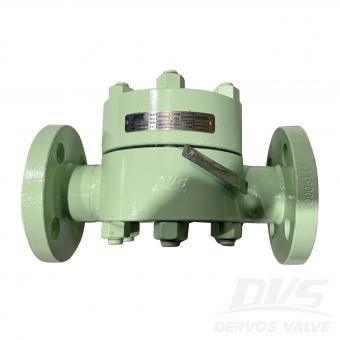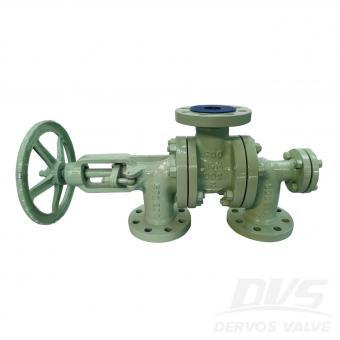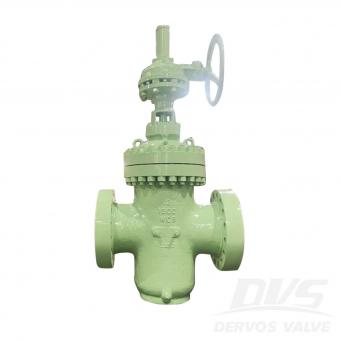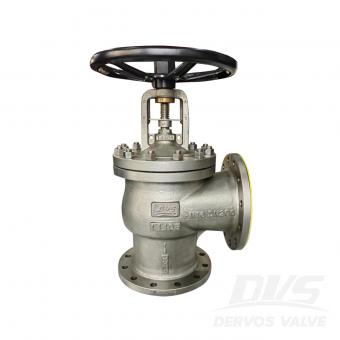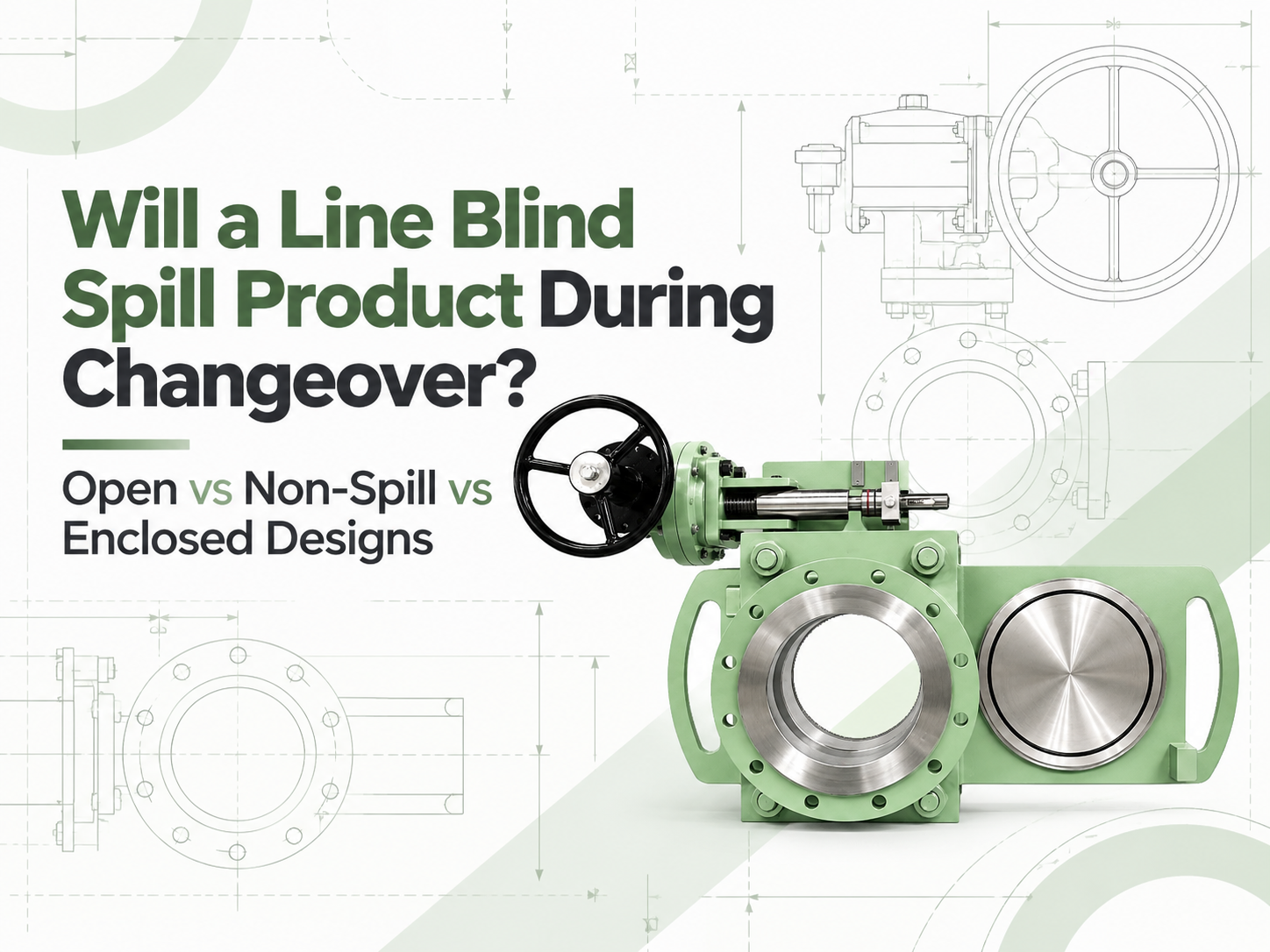
Yes, an open-body line blind can release residual product when it changes between the open and blind positions. A non-spill design does not make that residue disappear; it catches the liquid in a partial enclosure and directs it to a drain. An enclosed design can provide better control of liquid and vapour, but only when its housing, drain, vent and purge connections are engineered for the service. None of these labels should be read as permission to move the blind under live line pressure. Why Product Can Escape During Changeover When a line blind is fully clamped, its seals contain the process and the solid plate provides positive isolation in the blind position. Changeover is different. The sealing faces must separate before the spectacle or sliding plate can move. During that interval, the body cavity and plate path may be open to the surrounding area. The line should already be isolated, depressurised and drained, but “drained” rarely means perfectly dry. Liquid can remain as a film on the plate, collect in the lower body, or sit in a poorly drained pipe pocket. Gas service may leave flammable, toxic or odorous vapour. The amount released therefore depends as much on piping layout and the shutdown procedure as on the line blind itself. The Three Designs Manage Residue Differently Open-body design Residual liquid can drip from the exposed plate path into a temporary tray or the work area, while vapour disperses locally. This arrangement can suit water, steam condensate or other manageable media where easy access and visual inspection matter. It presents the highest potential for floor contamination and operator exposure. Non-spill design A bottom-and-side cover catches drips and sends them to a drain or recovery container; the top may remain open. This design is commonly considered for fuel terminals, marine service and liquid duties where ground or deck contamination must be controlled. It reduces dripping but may not contain vapour, and a blocked drain defeats its purpose. Enclosed design A housing surrounds more or all of the plate travel and may connect to a closed drain, purge, vent, flare or vapour-recovery system. It is better suited to toxic, flammable, odorous or environmentally sensitive service requiring controlled containment. The tradeoff is greater complexity in purging, inspection and maintenance, together with the need to manage trapped pressure deliberately. These names are not perfectly standardised across manufacturers. One supplier's “non-spill” model may be open at the top, while another product described as enclosed may use a more complete casing. The RFQ should show the enclosure arrangement and identify every opening rather than relying on the product name. Non-Spill Does Not Automatically Mean Zero Release For a liquid with low volatility, catching the remaining drops and routing them into a closed contai...
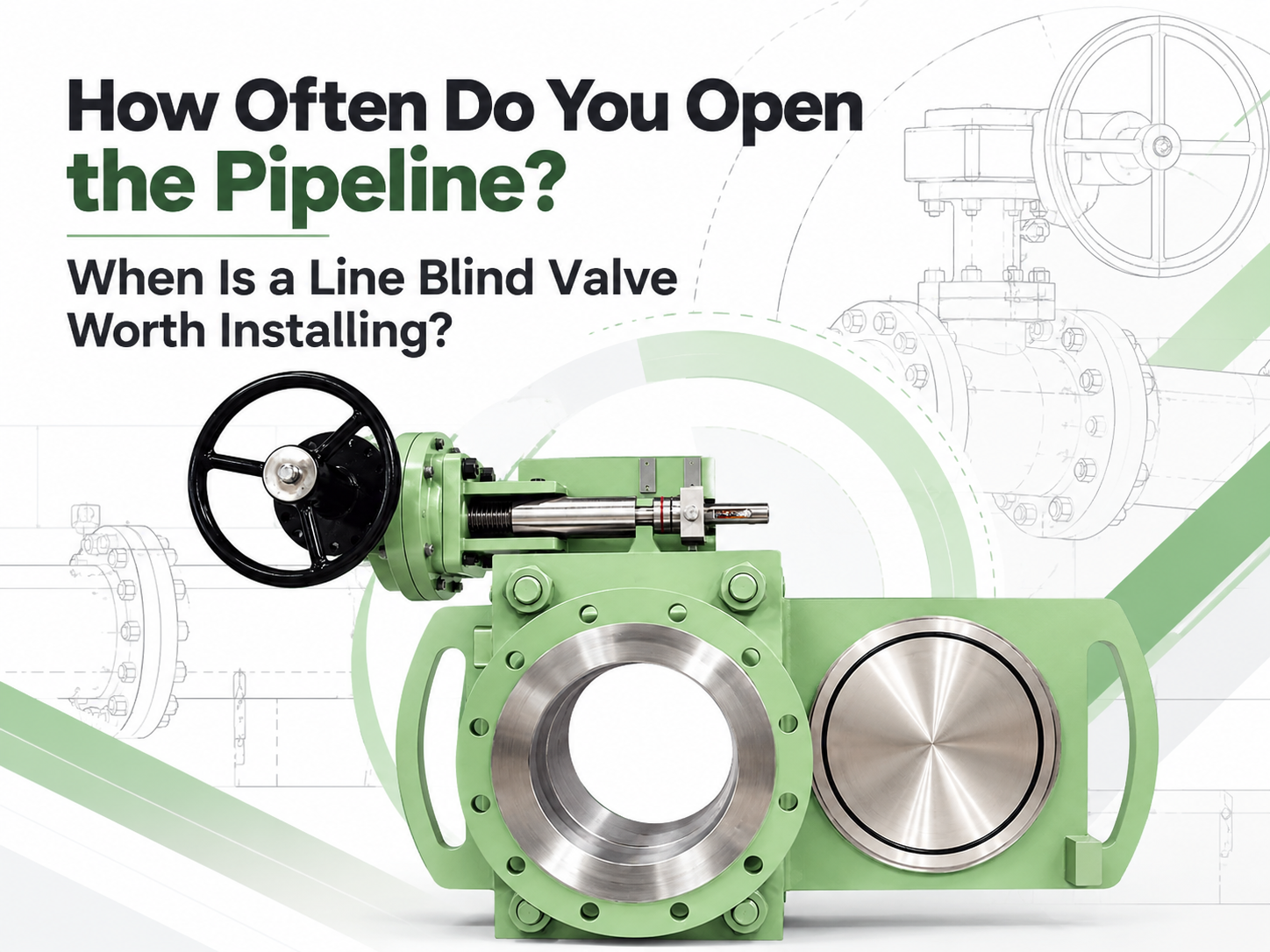
Клапан-заглушку трубопровода стоит рассмотреть, если трубопровод перекрывается заглушкой несколько раз в год или если одна обычная перенастройка приводит к часам простоя, подъемным работам или серьезному воздействию опасных остатков. Никакое универсальное количество циклов не гарантирует окупаемость. Крупная критическая линия, работающая дважды в год, может оправдать инвестиции, в то время как небольшая доступная линия, работающая ежемесячно — нет. Решение должно основываться на стоимости и риске каждого отдельного случая полной изоляции, а не только на частоте. Не существует стандартного правила «две операции в год» Некоторые поставщики используют одну или две ежегодные перенастройки в качестве порогового значения для предварительного отбора. Это может послужить началом обсуждения, но не является инженерным правилом. Частота имеет совершенно разные последствия для вспомогательной линии DN50 и магистрали технологического газа DN600. Для предварительного анализа полезны, но не обязательны следующие диапазоны: Частота установки заглушек Первичная интерпретация Один раз за капитальный ремонт или реже Съемная заглушка или очковая заглушка часто более экономичны. От одного до трех раз в год Тщательно сравните трудозатраты, подъемные работы, продолжительность простоя и риск среды. От ежеквартально до ежемесячно Клапан-заглушка быстрого действия quick-action line blind обычно является отличным кандидатом. Еженедельно или чаще Специально разработанная или автоматизированная изоляция заслуживает детального рассмотрения; также убедитесь, что клапан-заглушка подходит для требуемого циклического режима работы. Низкая частота работы все же может оправдать установку, если каждое событие требует установки лесов, крана, нескольких слесарей-монтажников или длительного перерыва в производстве. И наоборот, частая работа не оправдывает клапан-заглушку, если техпроцесс не соответствует ее требованиям по давлению, температуре, материалам или обслуживанию. Учитывайте полный цикл перенастройки Традиционная установка заглушек — это больше, чем просто перенос пластинки. После того как линия приведена в безопасное состояние, рабочие ослабляют болты, раздвигают фланцевое соединение, устанавливают глухую или проставочную пластину, заменяют прокладки, восстанавливают центровку, затягивают соединение и выполняют проверку на герметичность. Для больших размеров требуются такелажные работы и оборудование для доступа. Быстродействующая заглушка трубопровода удерживает поворотную или сдвижную пластину внутри установленного узла. В документации производителей обычно указывается переключение силами одного человека за считанные минуты вместо человеко-часов, необходимых для традиционных работ с фланцами. Эти цифры полезны для предварительной оценки, но при расчете проекта следует использовать собственные процедуры предприятия и зафиксированные во время остановов показатели времени. Используйте простое сравнение: Годовая сэкономленная стоимость = количество операций в ...
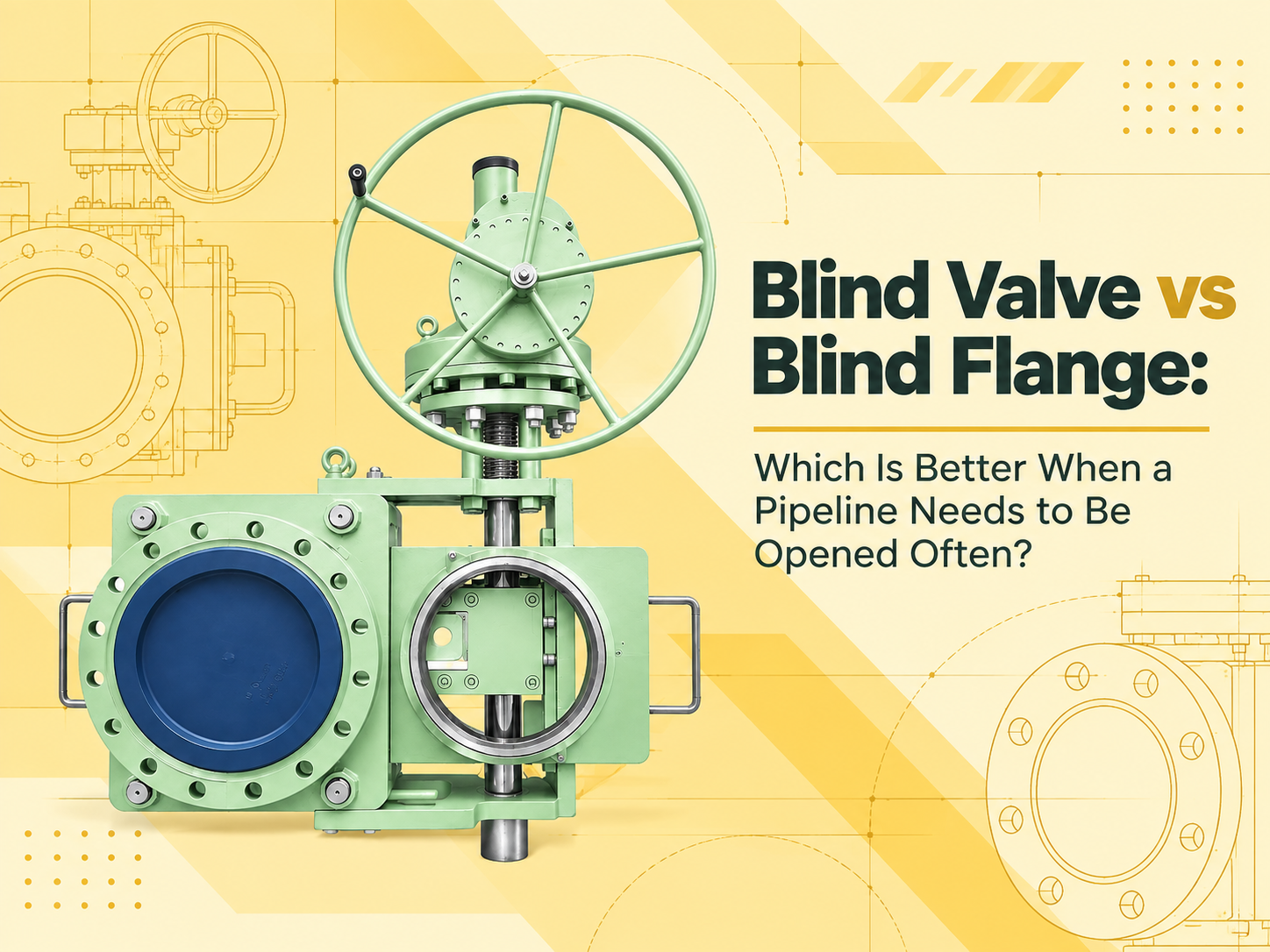
Когда трубопровод необходимо часто открывать и надежно изолировать, поворотная заглушка обычно является лучшим выбором. Она позволяет оставить механизм заглушки постоянно установленным и дает операторам возможность переключаться между открытым и закрытым положениями без необходимости многократного снятия фланцевой заглушки на болтах. Глухой фланец стоит дешевле и имеет меньше движущихся частей, но он лучше подходит для закрытия конца трубы, который будет оставаться закрытым в течение длительного времени. В этом ответе предполагается, что под «глухим фланцем» понимается сплошной фланец, приболченный к концу трубы или патрубка. Очковая заглушка или съемная заглушка-проставка, установленная между двумя фланцами, — это другое устройство, хотя оно и создает аналогичный барьер из сплошного металла для изоляции. Частое открытие меняет расчет стоимости Цена покупки говорит в пользу глухого фланца. Его конструкция проста, а техническое обслуживание в основном сводится к проверке зеркала фланца, прокладки, шпилек и гаек. Если закрытие будет нарушаться только во время периодических остановочных ремонтов, такую простоту трудно превзойти. Повторяющееся открытие меняет картину. Снятие глухого фланца требует остановки линии, сброса давления, дренажа или продувки, а также проверки безопасности. Затем необходимо ослабить болты, обеспечить поддержку фланца и разъединить уплотнительные поверхности. Для фланцев большего размера может потребоваться подъемное оборудование. Повторная сборка требует установки новой прокладки, контролируемой затяжки болтов и проверки на герметичность. Ни один из этих этапов не является необычным, но их повторение превращает недорогой компонент в трудоемкий метод эксплуатации. Поворотная заглушка также требует изоляции и сброса давления в линии перед изменением положения, если только ее утвержденная конструкция и процедура эксплуатации прямо не предусматривают иное. Ее преимущество заключается в механической обработке: пластина, проставка или скользящий элемент остаются закрепленными в корпусе, а механизм разъединяет, перемещает и повторно зажимает уплотнительные поверхности. Ручной привод может подойти для умеренных рабочих усилий; электрический, пневматический или гидравлический привод может быть оправдан для больших размеров или дистанционного управления. Поворотная заглушка сокращает объем работ по перемещению, но добавляет оборудование, требующее обслуживания Для частого переключения поворотная заглушка может сократить время выполнения задачи и уменьшить необходимость многократного перемещения тяжелых пластин, болтов и прокладок. Ее открытое или закрытое положение обычно видно по внешнему индикатору положения, что помогает при проверке на месте. Это также позволяет избежать необходимости постоянно раздвигать соединенные трубопроводы для установки или снятия заглушки. Эти преимущества сопровождаются дополнительным техническим обслуживанием. Направляющие, винты, редукторы, гидравлические компоненты, уплотнения и блокиро...


Авторское право © 2015-2026 DERVOS VALVE CO.,LTD.Все права защищены Блог / Карта сайта / XML / политика конфиденциальности