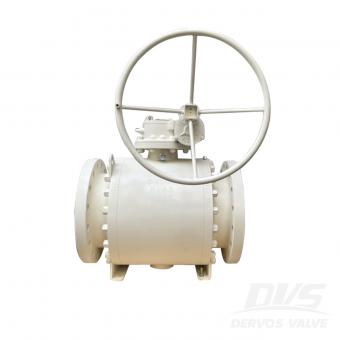
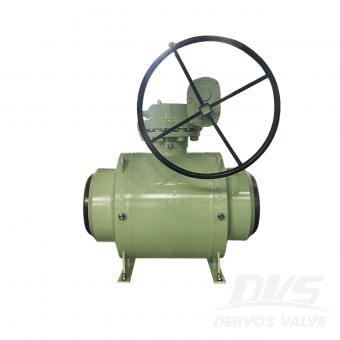
Главное преимущество заглушки технологического клапана (заслонки/запорного устройства) — это надежная изоляция, то есть отсутствие утечек через сплошную заглушку. Эта функция практически незаменима в нефтегазовой, нефтехимической, а также в системах хранения и транспортировки.
Однако проблема проста: по мере увеличения размеров и класса давления заглушки трубопроводов становятся чрезвычайно тяжелыми, что затрудняет их эксплуатацию, замедляет переключение и в некоторых случаях создает риски для безопасности.
Если на объекте заглушка трубопровода кажется «слишком тяжелой», это редко бывает вызвано одним фактором. Как правило, это результат сочетания конструкции, структуры и способа эксплуатации. Ниже представлена логика прямой оценки и практические решения.
Если вас беспокоит вес, то обычно это связано со следующими факторами:
● Размер (DN): Вес значительно увеличивается начиная с DN200 и выше.
● Класс давления: Вес вагонов классов 600, 900 и 1500 быстро увеличивается.
● Материал: WCB против Ф22 В отличие от дуплексной стали, плотность и требуемая толщина значительно различаются.
● Тип: Заслонка типа «восьмерка» (заслонка в форме восьмерки) по своей природе является самым тяжелым
Проектный запас: Некоторые производители добавляют излишнюю толщину для «запаса прочности».
Заключение:
Вес ≠ Безопасность. Во многих случаях избыточный вес указывает на
неоптимизированный дизайн
.
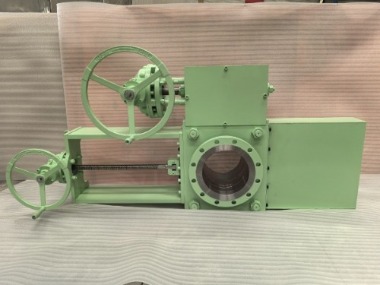
Если вы в настоящее время используете обычный смотровой клапан :
● Максимальный вес (сплошная пластина + соединительная конструкция)
● Требуется отвинчивание болта и ручное переворачивание.
→ Его можно заменить на скользящий глухой клапан
Результат:
● Полное поднятие тяжестей не требуется
● Требуется лишь боковое движение.
● Может управляться одним человеком или меньшим количеством операторов.
● Значительно сокращено время переключения
Когда использовать:
Если требуется частое переключение режимов изоляции → предпочтительнее использовать скользящий запорный клапан.
Если скользящий запорный клапан по-прежнему тяжелый или с ним трудно работать:
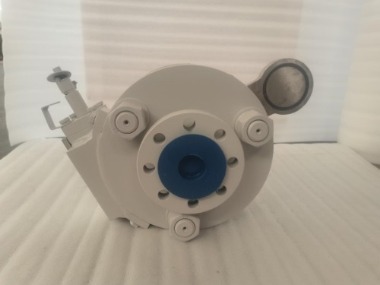
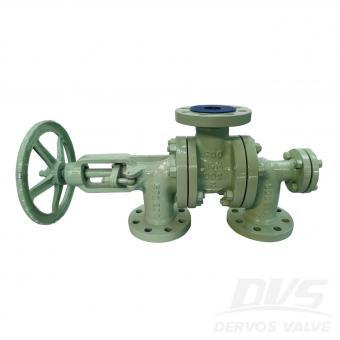
→ Рассмотрим поворотный запорный клапан (клапан с защитными очками).
Функции:
● Заглушка вращается вокруг оси, а не полностью снимается.
● Вес поддерживается конструкцией.
● Более стабильная работа
Когда использовать:
Если DN ≥ 300 и ручное управление становится затруднительным →
поворотный заглушечный клапан
более подходящий
Если замена клапана невозможна, можно улучшить его работу:
Распространенные варианты:
● Червячная передача
● Цепное колесо
● Гидравлические вспомогательные устройства
Основной эффект:
● Преобразует прямой подъем в механическую передачу.
● Снижает требуемый крутящий момент при работе.
Когда использовать:
Если клапан уже установлен, а пространство для модификации ограничено, то это первый вариант, который следует рассмотреть.
Когда вес начинает влиять на безопасность или эффективность:
→ Рассмотрим автоматический линейный запорный клапан / автоматический клапан для очков
Методы приведения в действие:
● Электрический привод
● Гидравлический привод
Преимущества:
● Ручная погрузка/разгрузка не требуется
● Возможно дистанционное управление
● Системы блокировки могут предотвратить неправильное управление.
Когда использовать:
● Высокая температура или трубопроводы высокого давления
● Опасные среды (например, H₂S, легковоспламеняющиеся газы)
● Требования к частому переключению или быстрой изоляции
Во многих случаях избыточный вес возникает из-за неэффективность проектирования а не технологические требования.
Точки оптимизации:
●
Выбор материалов
WCB → можно заменить более легкими сплавами (если позволяют условия эксплуатации)
●
Проектирование конструкции
Уменьшите толщину в ненесущих участках.
●
Соответствие стандартам
Проектируйте строго в соответствии со стандартом ASME B16.34, а не используйте «избыточное проектирование, основанное на опыте».
Заключение:
При одинаковом диаметре и классе давления разница в весе между производителями может достигать
20–40%
Когда следует подозревать проблемы с дизайном:
Если клапан значительно тяжелее других клапанов с теми же характеристиками
●
Если текущий режим работы требует ручного переворачивания и кажется тяжелым
→ Заменить на скользящий запорный клапан
●
Если DN большой и переключение происходит часто.
→ Рассмотрите вариант поворотного запорного клапана
●
Если требования безопасности высоки или ручная погрузка/разгрузка сопряжена с риском
→ Использование автоматизации (электрической/гидравлической)
●
Если проблема умеренного характера
→ Сначала добавьте механическую помощь
Тяжелый заглушка линии Это не просто вопрос удобства использования. Это отражает следующее:
→ Способ эксплуатации соответствует фактическим условиям обслуживания.
На практике:
● Традиционные заглушки ориентированы на обеспечение конструктивной безопасности.
● Современные заглушки ориентированы на безопасность эксплуатации и эффективность.
Если заглушки DN300+ по-прежнему устанавливаются вручную, проблема уже не в весе, а в... устаревшая конструкция системы .
Не напрямую. Однако это увеличивает риск неправильного размещения или неполной установки, что может повлиять на надежность изоляции.
Нет. Оба варианта основаны на использовании сплошной глухой пластины, обеспечивающей истинную надежную изоляцию (нулевую утечку).
Не всегда. Однако в условиях высокого риска (высокое давление, токсичные среды) это часто является более надежным долгосрочным решением.
Не всегда. Однако в условиях высокого риска (высокое давление, токсичные среды) это часто является более надежным долгосрочным решением.


Авторское право © 2015-2026 DERVOS VALVE CO.,LTD.Все права защищены Блог / Карта сайта / XML / политика конфиденциальности