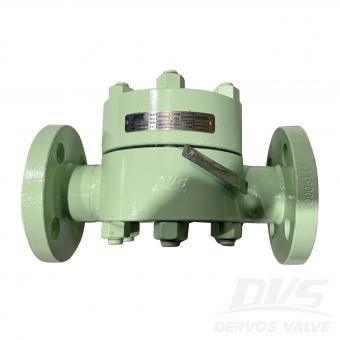
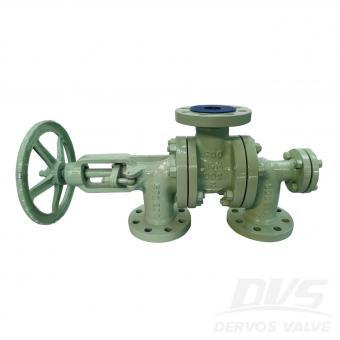
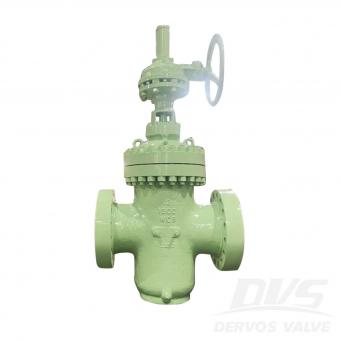
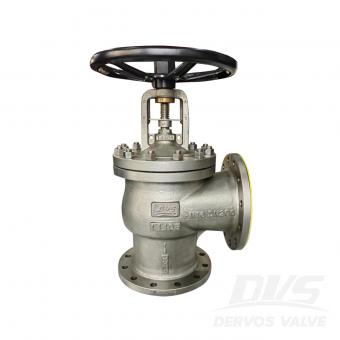
Подбор правильного размера обратного клапана — это больше, чем сопоставление проходного сечения клапана с диаметром трубопровода. Подбор обратного клапана напрямую влияет на стабильность потока, потери давления, срок службы и защиту от обратного потока. Слишком крупный клапан может никогда не достигать полного открытия, вызывая вибрацию диска и преждевременный износ, тогда как слишком малый клапан может создавать чрезмерное падение давления и ограничивать пропускную способность системы. Поэтому правильный подбор должен основываться на рабочих условиях, а не только на диаметре линии.
Первый шаг при подборе обратного клапана — определить фактический рабочий расход, диапазон давления, температуру и свойства жидкости. Вода, пар, углеводороды, коррозионные химические вещества и газовые среды ведут себя по-разному и создают разные скорости потока внутри клапана. Если среда содержит твердые частицы или имеет высокую вязкость, то поворотный обратный клапан (swing check valve) или конструкция с наклонным диском может работать лучше, чем пружинный тип.
Давление и температура также влияют на выбор материалов иуплотнениехарактеристики работы. Если эксплуатация связана с повышенными температурами, необходимо учитывать тепловое расширение и деформацию седла. При наличии коррозионных сред следует выбирать материалы корпуса и внутренних элементов для обеспечения долгосрочной надежности. Подбор размера клапана и совместимость материалов всегда следует оценивать совместно, а не как отдельные решения.
Многие отказы обратных клапанов вызваны низкой скоростью потока. Клапан, который остается частично открытым, подвержен вибрации диска, обычно называемой флаттером. Постоянный флаттер ускоряет износ диска, шарнирного пальца и поверхностей седла и может в конечном итоге привести к утечке или механическому отказу.
По этой причине подбор обратного клапана должен основываться на требуемом коэффициенте пропускной способности (Cv), а не только на размере трубопровода. Если минимальный рабочий расход не может обеспечить достаточную скорость для стабилизации диска, то меньший клапан может обеспечить лучшую производительность. Если условия потока значительно колеблются, то подпружиненный обратный клапан с функцией non-slam может обеспечить более быструю реакцию и снизить воздействие обратного потока.
Падение давления на клапане должно оставаться в пределах допустимых значений для всей системы. Чрезмерные потери давления увеличивают затраты на перекачку и снижают эффективность процесса. В то же время условия обратного потока должны тщательно оцениваться.
Если скорость жидкости быстро изменяется, гидроудар становится серьезной проблемой. Обратный клапан с медленным закрытием может допустить обратный поток до момента закрытия, создавая высокие скачки давления, которые повреждают насосы, трубопроводы и соседнее оборудование. В таких случаях часто предпочтительны бесшумные (non-slam) обратные клапаны или осевые обратные клапаны, поскольку они быстро закрываются и минимизируют переходные скачки давления.
Расположение клапана также влияет на решения по подбору размера. Длинные вертикальные трубопроводы, системы на нагнетании насосов и высоконапорные применения обычно требуют более быстрого времени реакции, чем гравитационные системы. Если скорость обратного потока высока, то характеристики закрытия клапана становятся столь же важными, как и его размер.
Каждый обратный клапан имеет минимальное давление срабатывания, необходимое для начала открытия. Если давление в системе недостаточно, клапан может оставаться закрытым или работать нестабильно. Пружинные конструкции обычно требуют более высокого давления открытия чем поворотные обратные клапаны, но они обеспечивают более контролируемое закрытие.
Установкаориентацию также следует учитывать при подборе размера. Горизонтальная и вертикальная установка по-разному влияют на движение диска и эксплуатационную стабильность. Если клапан установлен рядом с насосами или отводами, турбулентный поток может снижать эффективность. Прямые участки трубопровода до и после клапана помогают поддерживать равномерный поток и повышают надежность работы клапана.
Таким образом, правильный подбор должен обеспечивать баланс между пропускной способностью, падением давления, скоростью реакции и рабочими условиями, а не основываться только на номинальном диаметре трубы.
Как определить правильный размер обратного клапана?
Размер клапана следует выбирать на основе расхода, скорости потока, потерь давления и значений Cv клапана, а не просто сопоставляя его с диаметром трубопровода.
Может ли слишком большой обратный клапан вызывать проблемы?
Да. Слишком большие обратные клапаны часто работают в частично открытом состоянии, вызывая флаттер диска, износ седла, вибрации и преждевременный выход из строя.
Какая минимальная скорость требуется для обратного клапана?
Требуемая скорость зависит от конструкции клапана и характеристик среды. Производители обычно указывают минимальную скорость потока или требования к коэффициенту пропускной способности.
Какой обратный клапан лучше всего предотвращает гидроудар?
Бесшумные (non-slam) обратные клапаны и осевые обратные клапаны часто используются в системах, где требуется быстрое закрытие для минимизации скачков давления.
Следует ли учитывать тип жидкости при подборе обратного клапана?
Да. Жидкости, газы, пар и коррозионные среды имеют разные характеристики потока и требования к материалам. Правильный подбор всегда должен учитывать свойства среды, температуру и давление.


Авторское право © 2015-2026 DERVOS VALVE CO.,LTD.Все права защищены Блог / Карта сайта / XML / политика конфиденциальности