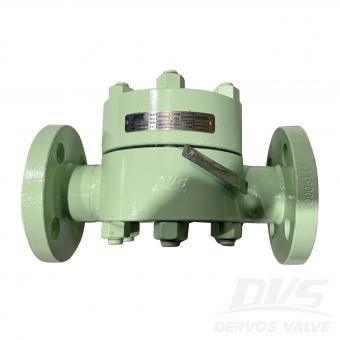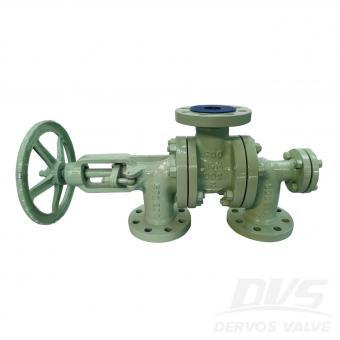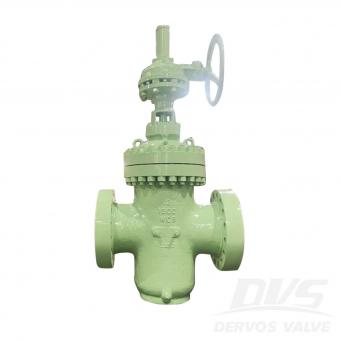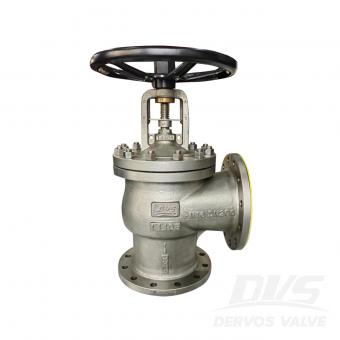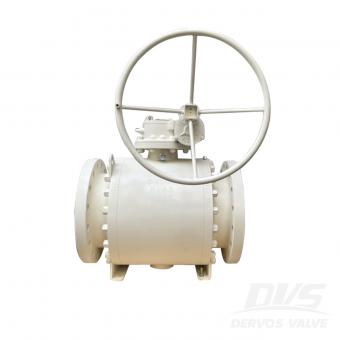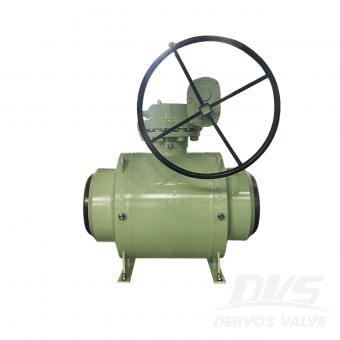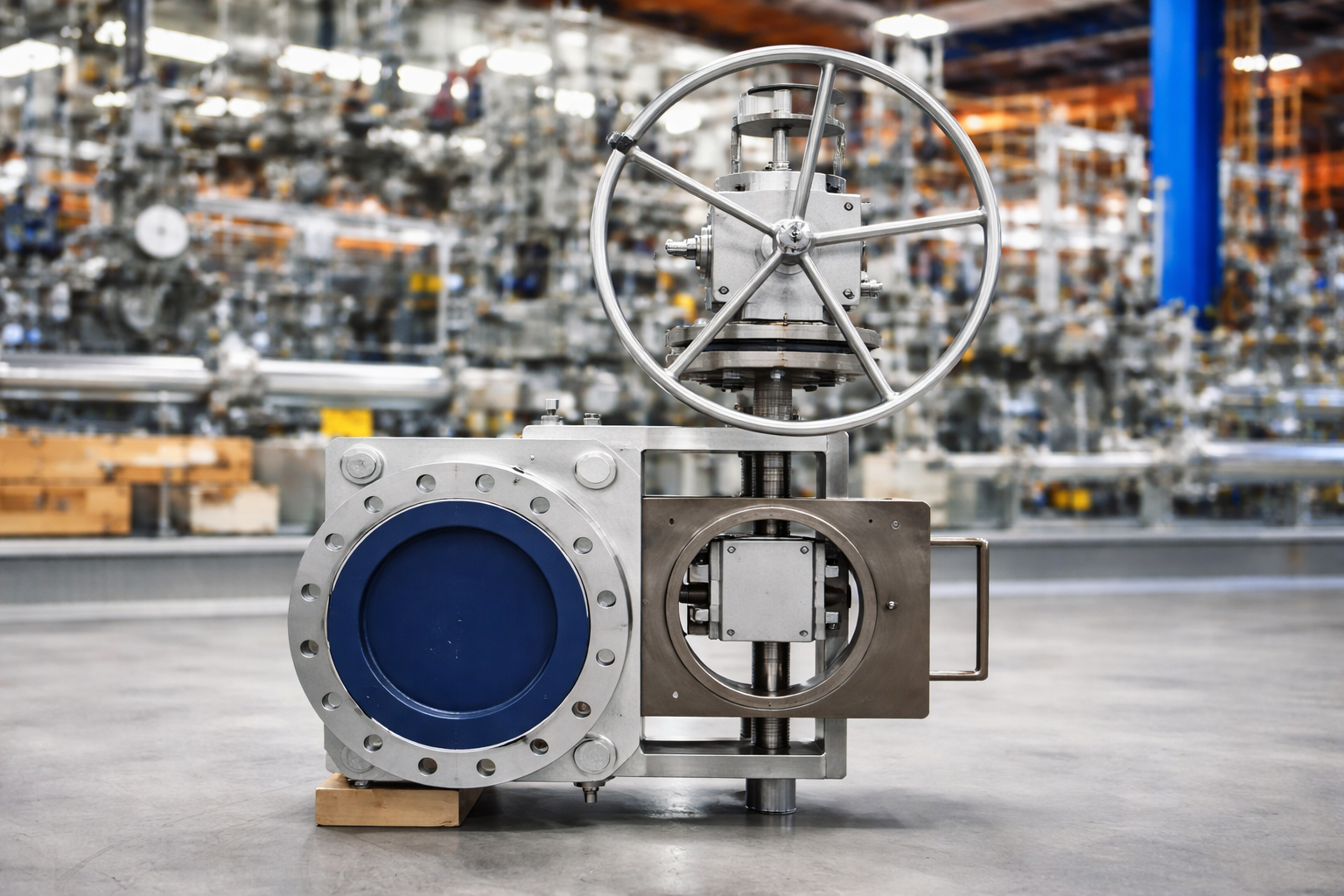
Задвижки и заглушки используются для перекрытия трубопроводов, но работают они по принципиально разным принципам. В промышленных трубопроводных системах, если цель состоит в том, чтобы настоящая физическая изоляция (при наличии положительной изоляции), тогда заглушка (заслонка / линейная заглушка) обычно надежнее обычных клапанов. Вместо того чтобы полагаться на уплотнение седла, она изолирует среду посредством сплошная глухая пластина что определяет как область его применения, так и инженерную ценность. С инженерной точки зрения основные характеристики запорного клапана можно понять следующим образом: 1. Абсолютная физическая изоляция Если нулевая утечка Если требуется использование обычных клапанов (таких как задвижки или шаровые клапаны), то их работа сопряжена с риском, поскольку их эффективность зависит от герметичности. Глухие клапаны работают по другой логике: ▶ Если вставить сплошную пластину, то поток будет полностью заблокирован. ▶ Если заглушка установлена правильно, то проблема нарушения герметичности больше не актуальна. Это делает заглушки более подходящими для: ● Изоляция нефтегазопроводов ● Воспламеняющиеся среды (нефть, сжиженный природный газ, химические вещества) ● Высокотемпературная паровая система с Инженерный вывод: Если проект требует проверяемой изоляции, то следует отдавать приоритет глухому клапану перед промышленными клапанами, работающими только с герметизацией. 2. Возможность работы в режиме непрерывной эксплуатации Традиционные заглушки с лопатообразными и распорными элементами обычно требуют разборки фланца, что усложняет эксплуатацию и создает риски для безопасности. Заглушки (например, скользящий глухой клапан (например, вентили с поворотными заглушками) разработаны с использованием другого подхода: ▶ Если требуется частое переключение между режимами эксплуатации и технического обслуживания, то ручное вмешательство следует свести к минимуму. ▶ Если остановка не допускается, то переключение должно производиться в условиях повышенного давления в трубопроводе (в соответствии со специальными проектными требованиями). Поэтому: ● Сдвижной запорный клапан: подходит для ограниченного пространства и высоких требований к автоматизации. ● Поворотный запорный клапан: Простая конструкция, подходит для средних и низких частот переключения. ● Очковый клапан : подходит для работы на низких частотах и для проектов с ограниченным бюджетом. Инженерный вывод: Если техническое обслуживание требуется часто или остановка работы невозможна, то в первую очередь следует отдать предпочтение глухому клапану с возможностью управления в линию. 3. Механическая надежность Надежность заглушки зависит не от сложных систем уплотнения, а от: ● Механическая структурная устойчивость ● Прочность материала (например, A105, WCB, F22, LF2) ● Способ привода (ручной, с редуктором или гидравлический) ▶ Если условия эксплуатации включают высокие температуры, высокое давление или агрессивные среды, то клапаны с герметизирующим уплотнением более подвержены пол...
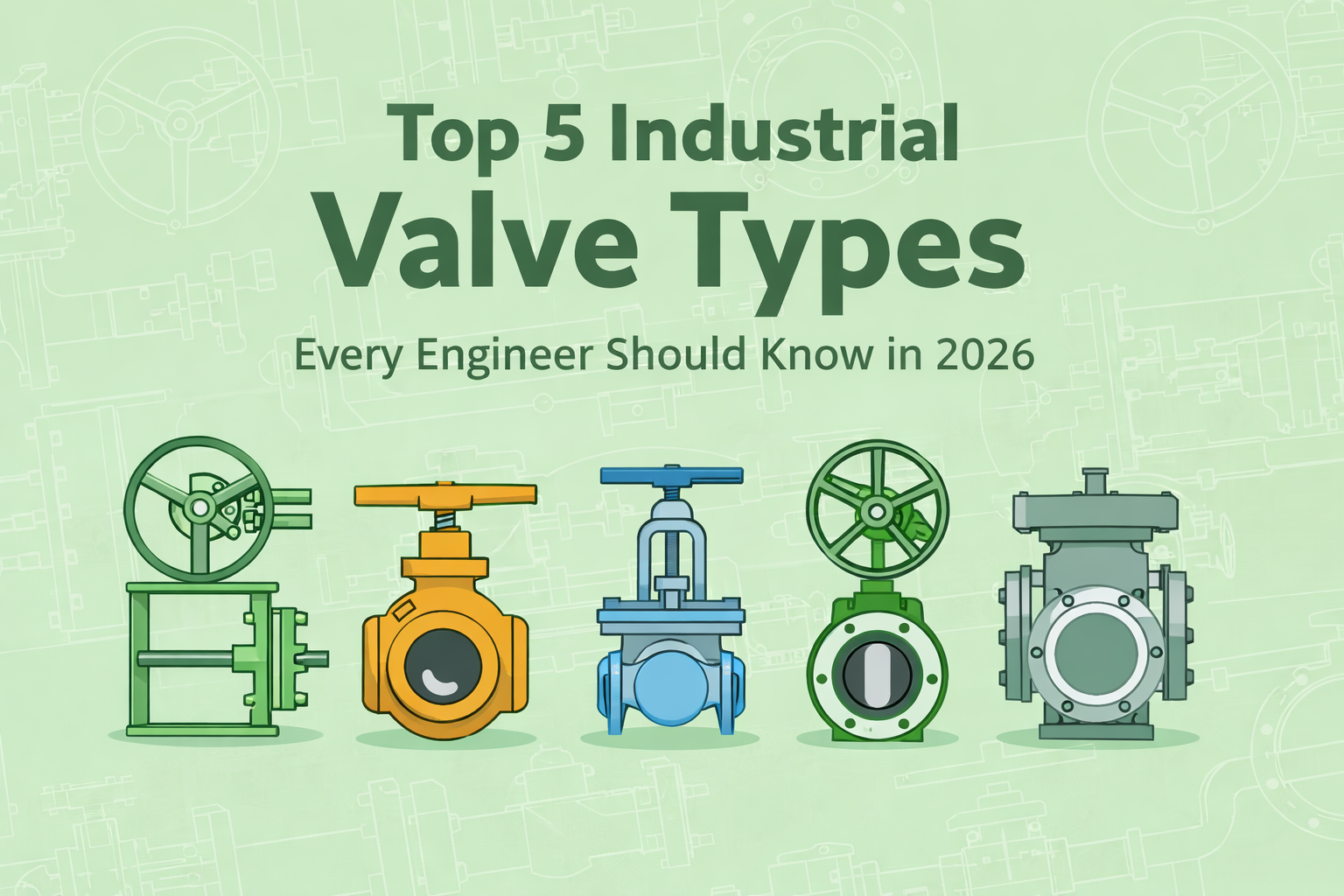
Выбор правильного типа промышленного клапана — одно из важнейших решений при проектировании системы. Неправильный выбор, даже при использовании высококачественных клапанов, может привести к утечкам, потере давления, вибрации, частому техническому обслуживанию и долгосрочной неэффективности эксплуатации. В данном руководстве рассматриваются основные типы промышленных клапанов. их применение, преимущества и ограничения, а также практические советы, которые помогут вам сделать правильный выбор клапанов для вашего проекта в 2026 году. Какие бывают типы промышленных клапанов? Типы промышленных клапанов — это различные конструкции клапанов, используемые для управления, регулирования или изоляции потока жидкости в трубопроводных системах. Каждый тип разработан для выполнения определенной функции, например, перекрытия, дросселирования или предотвращения обратного потока, и выбор правильного типа имеет важное значение для безопасности и эффективности системы. 5 основных типов промышленных клапанов и области их применения 1. Шаровой кран Лучше всего подходит для: быстрого отключения и низкого падения давления. Шаровые краны используют вращающийся шар с прямым внутренним диаметром. В полностью открытом состоянии они оказывают минимальное сопротивление, что делает их одним из наиболее эффективных вариантов для перекачки жидкостей. Типичные области применения: ● Нефте- и газопроводы ● Системы высокого давления ● Частые операции включения/выключения Примечания к выбору: ● Конструкция с полным входным отверстием минимизирует потери энергии. ● Шаровые краны с металлическим уплотнением лучше работают в условиях абразивного воздействия или высокой частоты циклов. Избегайте применения, если: Требуется точное регулирование потока. Зарегулирование потока шаровым клапаном со временем может повредить уплотнительные поверхности. 2. Задвижка Идеально подходит для: работы в режиме изоляции с минимальным сопротивлением потоку. Задвижки работают за счет подъема затвора из потока жидкости. Они широко используются в трубопроводах большого диаметра, где требуется полное открытие или полное закрытие. Типичные области применения: ● Трубопроводы для передачи электроэнергии на большие расстояния ● системы водоподготовки ● Высокотемпературные паропроводы Примечания к выбору: ● Практически нулевое падение давления при полном открытии. ● Клиновые задвижки обеспечивают лучшую герметизацию в условиях высоких температур. Избегайте применения, если: Требуется частое включение или регулирование. Задвижки не предназначены для многократного включения/выключения. 3. Шаровой клапан Лучше всего подходит для: точной регулировки потока Шаровые клапаны проталкивают жидкость по контролируемому пути потока, обеспечивая точное регулирование и стабильное управление потоком. Типичные области применения: ● Паровые системы ● Высокотемпературные процессы ● Применение в регулировании потока Примечания к выбору: ● Превосходные показатели регулирования дроссельной заслонки ● Стабильная работа в условиях кол...

Недавно, Клапан Дервос Помог клиенту в Венгрии преодолеть распространенную проблему в промышленных паровых системах: как безопасно изолировать высокотемпературные трубопроводы без утечек и простоев. Система заказчика, работающая с насыщенным паром при температуре около 250 °C и подверженная воздействию температур до -39 °C, требовала решения, которое было бы одновременно надежным и долговечным. Традиционные клапаны часто не обеспечивали герметичность в таких условиях, а обычные методы перекрытия требовали сброса давления в трубопроводе, что увеличивало время простоя и эксплуатационные риски. Для решения этих задач компания Dervos поставила модель DN400 PN40. скользящий линейный заглушечный клапан Разработанный специально для суровых условий проекта, этот клапан оснащен скользящим заглушечным механизмом, позволяющим операторам переключаться между режимами потока и изоляции без сброса давления в системе, что повышает безопасность и эффективность во время технического обслуживания. Изготовленный из кованой стали 20GML и имеющий герметичную конструкцию из нержавеющей стали с металлическим соединением, клапан Обеспечивает надежную работу как при работе с высокотемпературным паром, так и в экстремальных условиях окружающей среды. Полнопроходная конструкция минимизирует сопротивление потоку, а ручной червячный привод гарантирует плавную и контролируемую работу даже при больших размерах и высоком давлении. Функции безопасности, такие как устройства защиты от неправильного использования и защитные глухие пластины, дополнительно снижают риск ошибок при обращении с устройством. С момента установки клапан обесп
Оплата:
30% when order confirmed, 70% before shipmentпроисхождение продукта:
ChinaЦвет:
Customizationпорт доставки:
Shanghai, ChinaВремя упреждения:
30~60 days Ex Works after order confirmationMaterial:
SS2205
|
Тип |
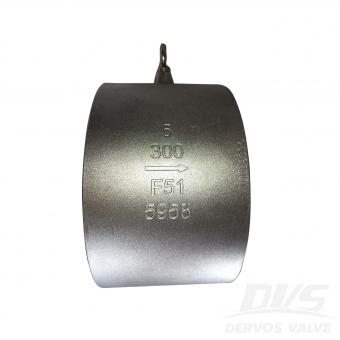
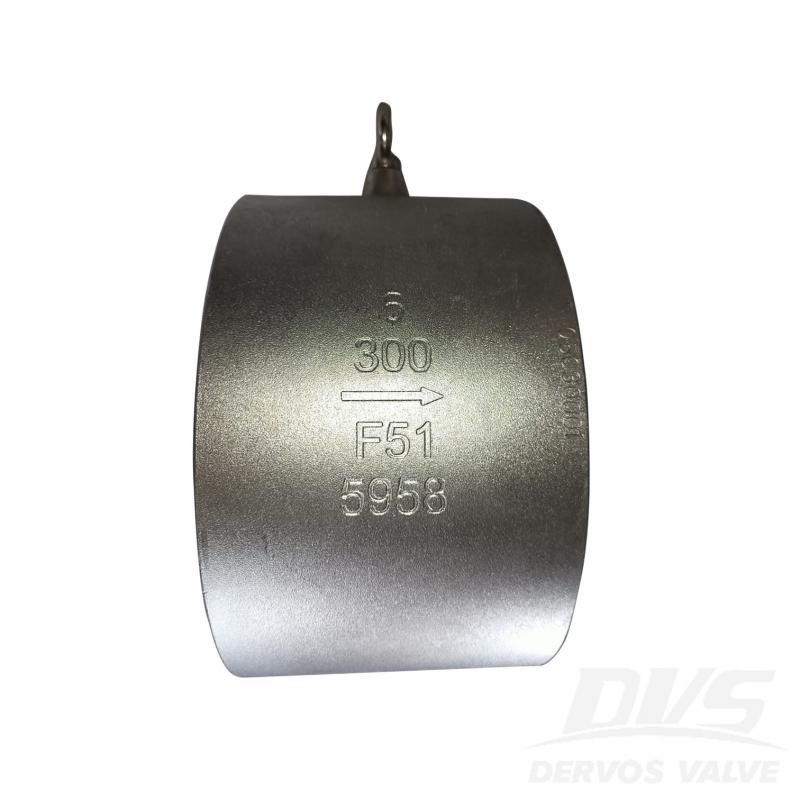
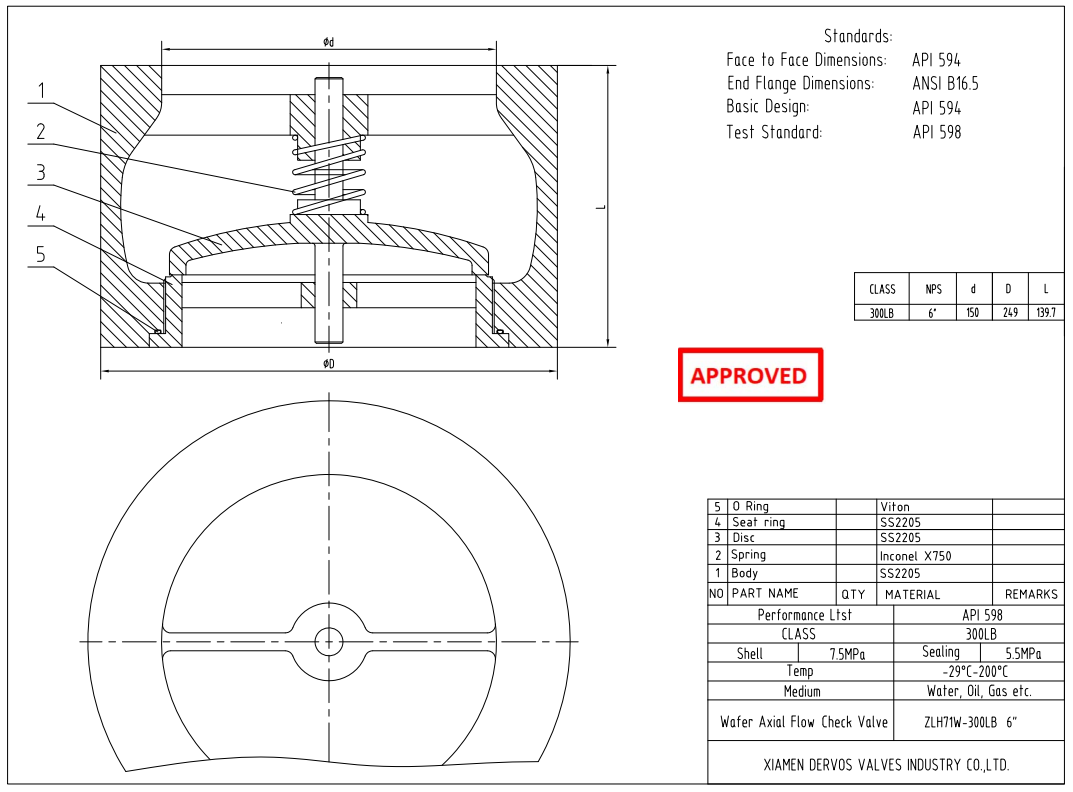
Обратный клапан осевого потока |
|
Размер |
|
|
Давление |
300 фунтов |
|
Связь |
Вафля |
|
Материал корпуса |
СС2205 |
|
Норма проектирования |
API 594 |
|
Размеры лицом к лицу |
API 594 |
|
Размеры концевого фланца |
ANSI B16.5 |
|
Код испытаний и проверок |
API 598 |
|
Температура |
-29 ~ 200°С |
|
Применимая среда |
Вода, нефть и газ |
1. Диск клапана не имеет ударного действия, плавное открытие и закрытие, практически нет «стука», подходит для случаев со строгими требованиями к уровню шума;
2. Тарелка и седло клапана точно подогнаны и могут быть оснащены металлическими или мягкими уплотнениями, обеспечивающими надежную герметизацию и отсутствие утечек.
Если вы заинтересованы в наших продуктах и хотите знать больше деталей,пожалуйста, оставьте здесь сообщение,мы ответим вам как только мы можем.
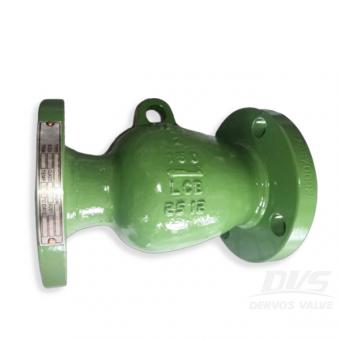
2 дюйма Освободный образец осевой форсунки является предпочтительным решением для предотвращения возврата или ударов на критический процесс оборудование. Спасибо за его LCB Тело, клапан способен для рабочей температуры до -46 Степень Цельсия.
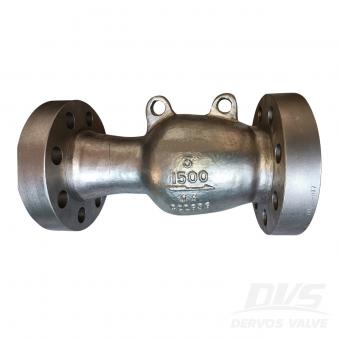
Обратный клапан с осевым потоком 3 дюйма, 1500 фунтов изготовлен в соответствии со стандартом API 6D. Корпус клапана изготовлен из A995 4A. Он имеет структурные характеристики типа осевого потока и структурную длину 473 мм. Режим подключения - RTJ.
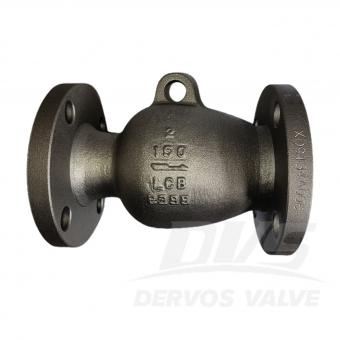
Осевой обратный клапан CL150 2” изготовлен в соответствии со стандартом API 6D. Корпус клапана изготовлен из стали ASTM A352 LCB+316SS. Он обладает конструктивными характеристиками осевого клапана. Тип присоединения – резьбовое соединение (RF).
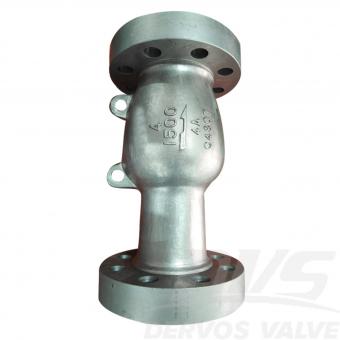
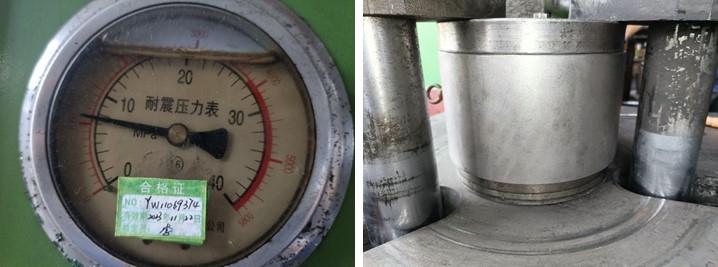
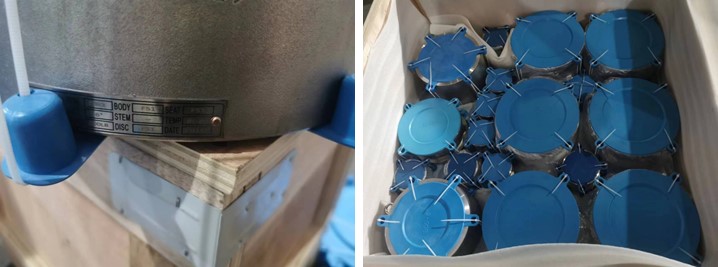
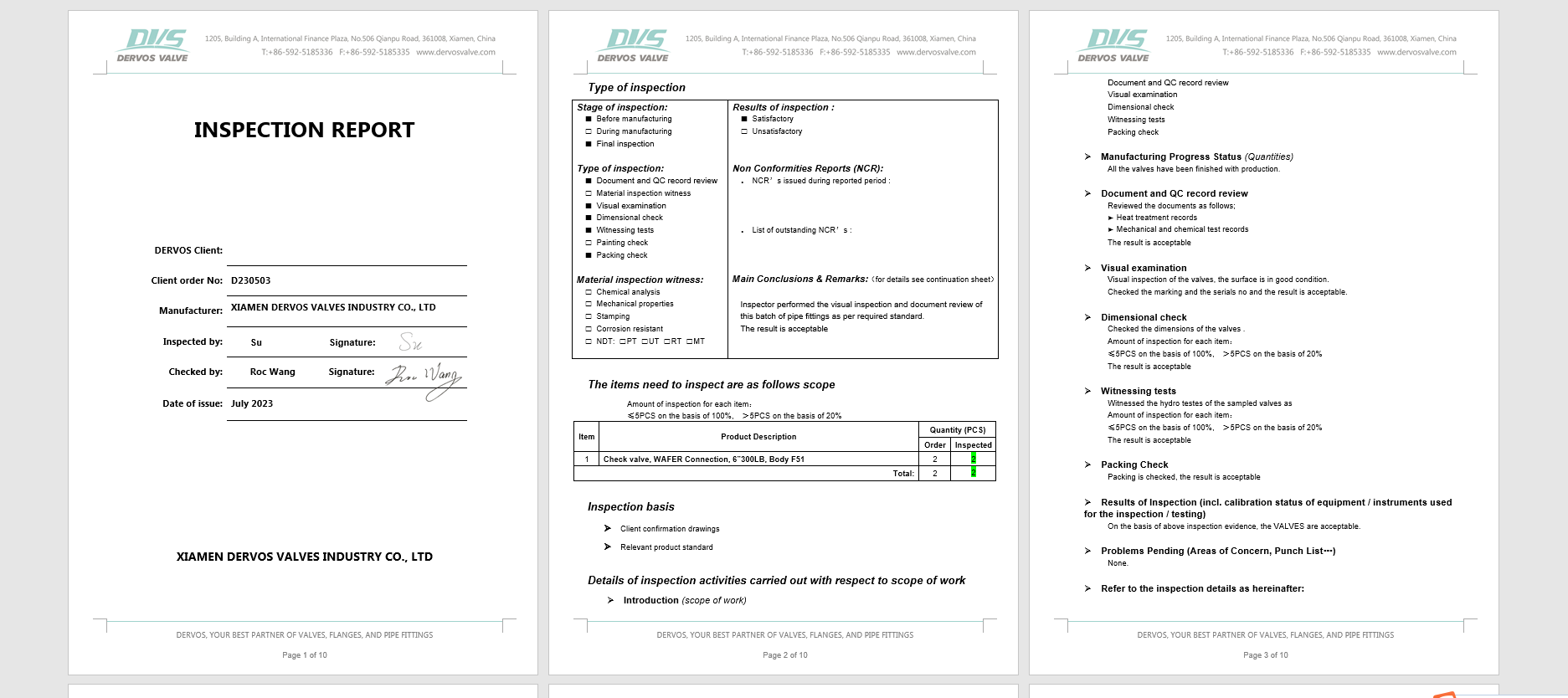
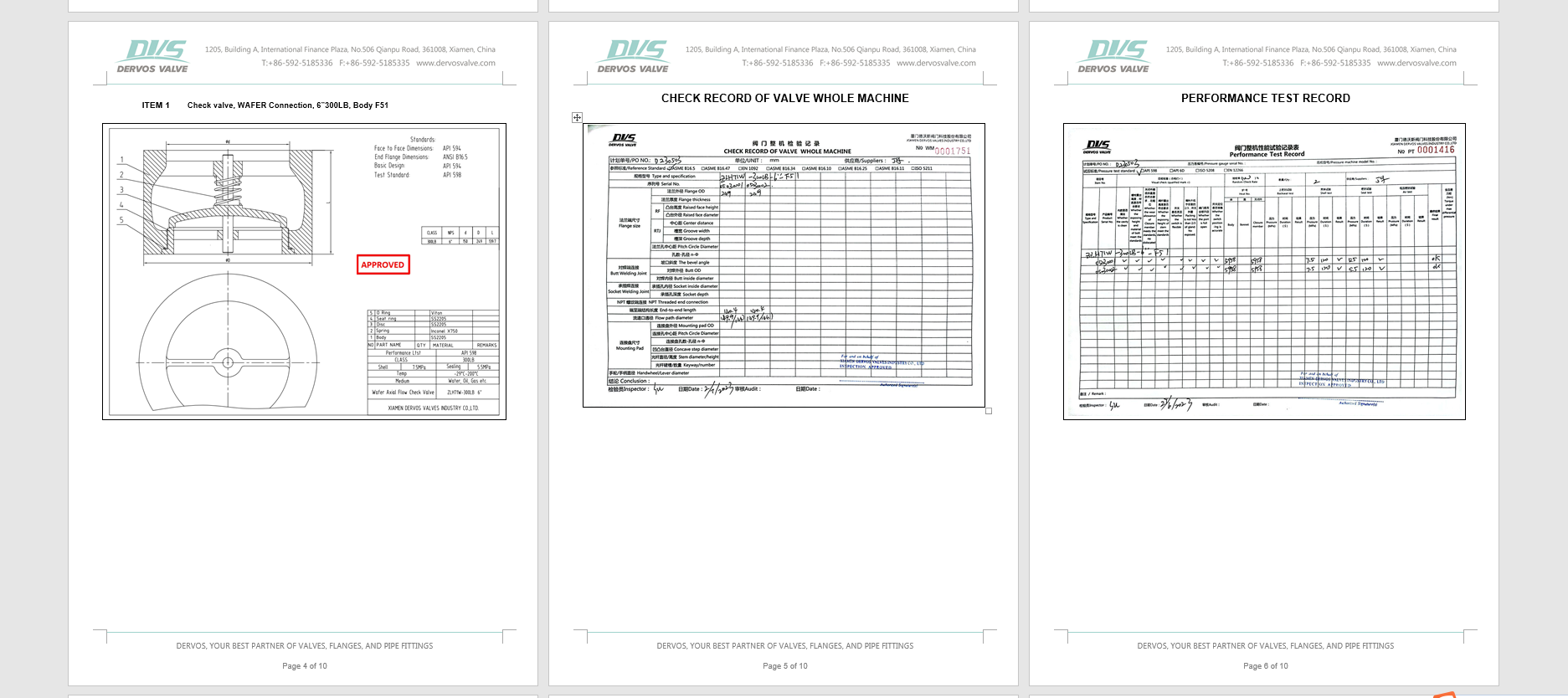
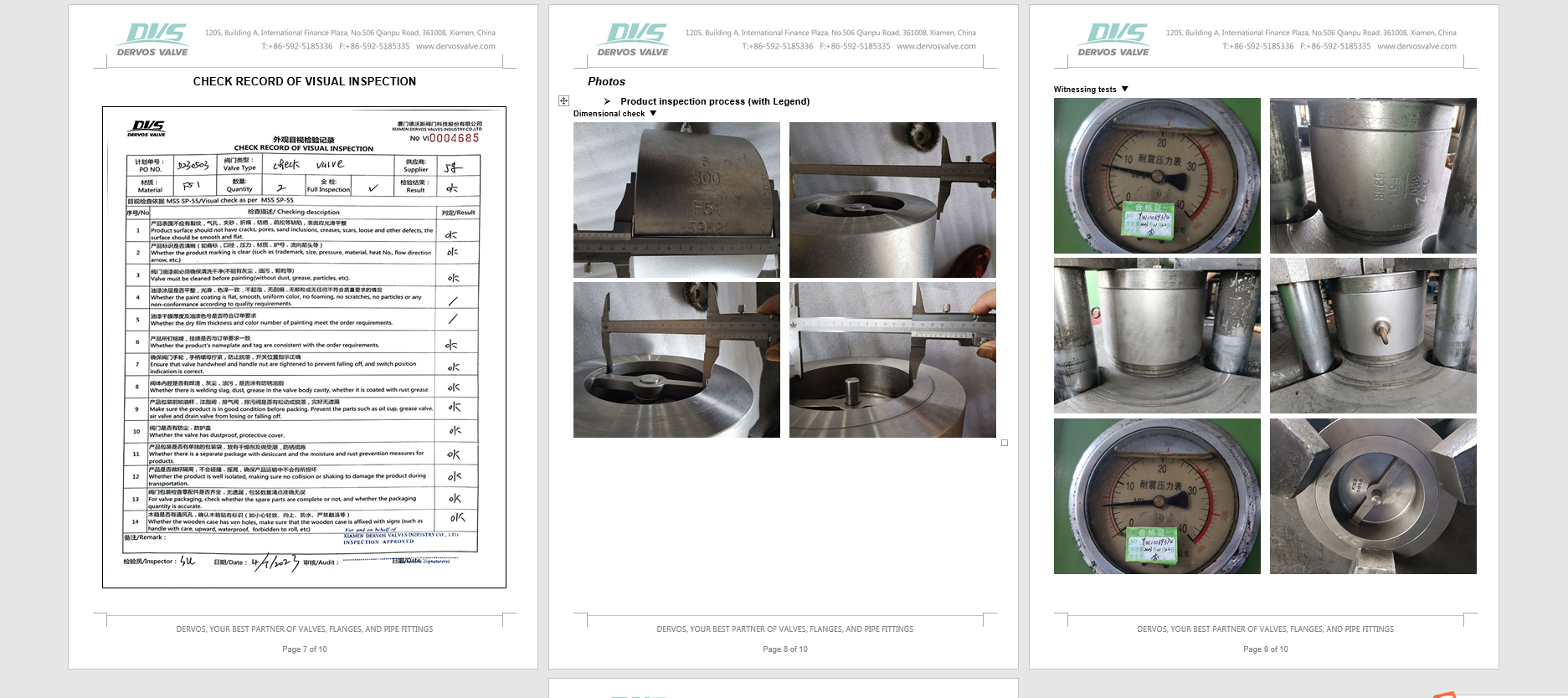
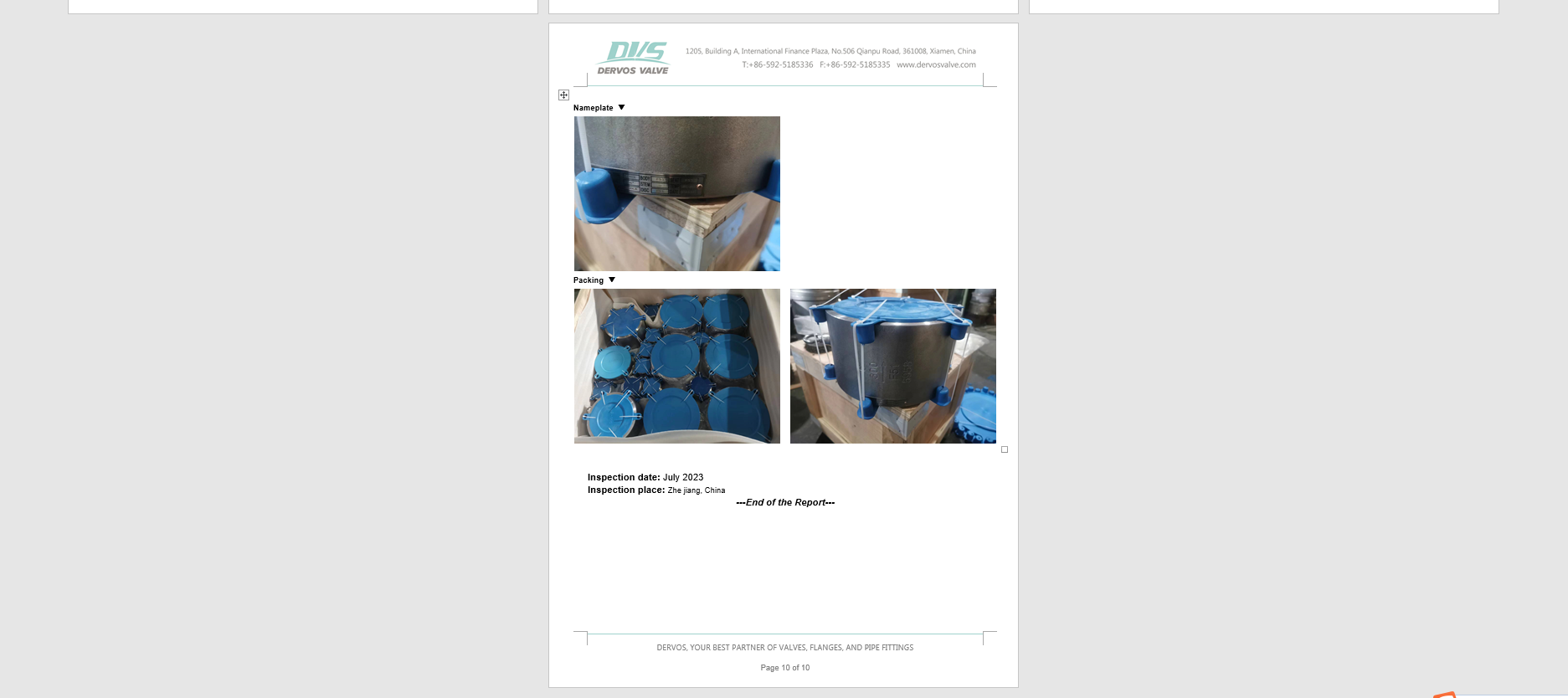
Обратный клапан осевого потока 4 дюйма, 1500 фунтов, изготовлен в соответствии со стандартом API 6D. Корпус клапана изготовлен из стали A995 4A. Он имеет конструктивные характеристики осевого типа и длину 549 мм. Способ соединения – RTJ. Параметры продукта Тип Осевой обратный клапан Размер 4 дюйма Давление 1500 фунтов Связь РТЖ Материал тела A995 4A Стандарт проектирования API 6D Лицом к лицу API 6D Размеры торцевого фланца ASME B16.5 Кодекс испытаний и контроля API 6D Температура -29 ~ 325 °С Применимый носитель Вода, нефть и газ Функции 1. Конструкция с осевым потоком минимизирует падение давления и предотвращает обратный поток в системах высокого давления. 2. Фланец RTJ и корпус из стали A995 4A обеспечивают герметичность и превосходную долговечность в экстремальных условиях. Технический чертеж Проверка размеров Испытание под давлением Табличка и упаковка
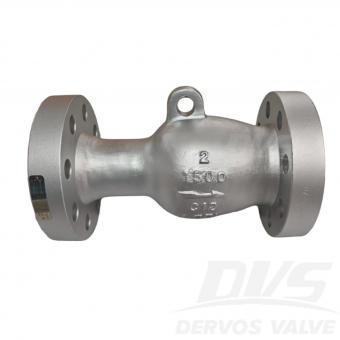
Обратный клапан 2" 1500LB изготовлен в соответствии со стандартом API6D. Корпус клапана изготовлен из стали A217 C12+STL. Он имеет конструктивные характеристики осевого потока. Способ соединения — RTJ. Параметры продукта Тип Обратный клапан Размер 2 ” Давление 15 00 фунтов Связь РТЖ Материал тела A217 C12+STL Стандарт проектирования API 6D Лицом к лицу API 6D Конец Размеры фланца А НСИ B16.5 Испытания и проверка Код API 6D Температура - 29 ~ 425 °С Применимый носитель Вода, нефть и газ Функции 1. Осевой обратный клапан 2" 1500LB C12 API 6D обеспечивает низкое падение давления и быстрое, без резкого закрытия, идеально подходит для нефтегазопроводов высокого давления (осевой обратный клапан API 6D). 2. Обратный клапан высокого давления C12 обеспечивает превосходную устойчивость к высоким температурам и эрозии, гарантируя стабильное предотвращение обратного потока в сложных условиях эксплуатации (обратный клапан C12, 2 дюйма, 1500 фунтов). Технический чертеж Проверка размеров Испытание под давлением Рисование Табличка и упаковка Отчет об инспекции


Авторское право © 2015-2026 DERVOS VALVE CO.,LTD.Все права защищены Блог / Карта сайта / XML / политика конфиденциальности