Утверждение факта:Причины пожара все еще расследуются, и общедоступная информация пока не подтвердила точную причину аварии. Поэтому в данной статье не анализируются причины аварии и не указывается, к какому конкретному клапану, компоненту трубопровода или оборудованию она относится. Вместо этого, статья фокусируется напредохранитель клапана вопросы, обычно связанные сВвод в эксплуатацию крупных химических предприятий.
25 августа 2026 года на Амурском газохимическом комплексе (АГХК) в Амурской области на Дальнем Востоке России произошел серьезный пожар. По состоянию на 26 августа в результате аварии погибли 7 человек, 152 получили ранения, 9 человек пропали без вести.
Согласно официальному заявлению AGCC, пожар произошел ввспомогательный технологический раздел пиролизной установки заводаПри этом основное оборудование проекта не пострадало. Эта авария вызывает глубокую скорбь и еще раз напоминает нам, что в проектах по производству химического природного газа безопасность вспомогательных технологических секций, особенно надежность клапанов, ни в коем случае не является «вспомогательным» вопросом.
Анустановка крекинга этилена Это чрезвычайно сложная система с очень жесткими технологическими требованиями. Печь крекинга — это сердце системы.
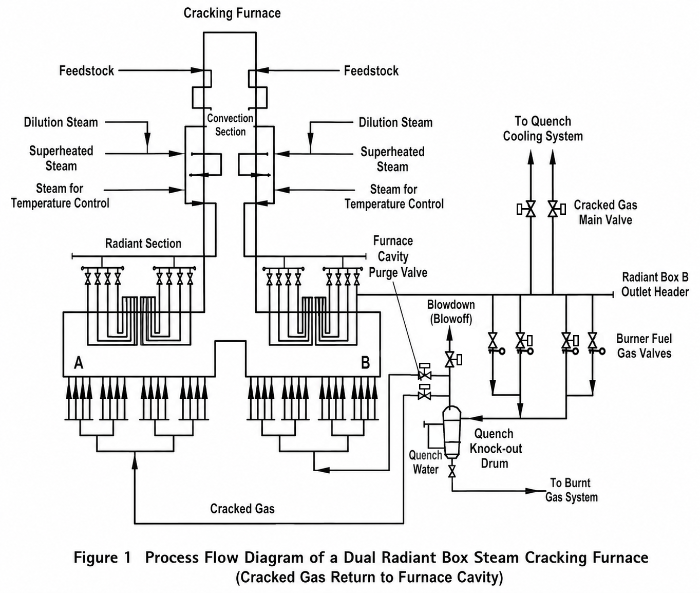
установка, где природный газ или нафта подвергаются крекингу при температурах выше 800 °C с получением основных химических продуктов, таких как этилен и пропилен.
ОнВспомогательный технологический отделХотя он и не расположен в центре высокотемпературной реакции, как крекинг-печь, он отвечает за обеспечение стабильной подачи энергоресурсов и различных вспомогательных сред для всего агрегата, гарантируя непрерывную и безопасную работу основного блока.
Вспомогательный технологический блок включает в себя следующие семь основных подсистем:
1. Система подачи топливного газа/мазута: включает буферные емкости для топливного газа, отбойные барабаны, насосы для мазута, фильтры и горелки и отвечает за подачу стабильного и чистого топлива в крекинг-печь.
2. Паровая система: Основным оборудованием является паровой барабан, который генерирует и распределяет разбавляющий пар, пар высокого давления и другие виды пара, необходимые для работы установки.
3. Система подачи питательной воды и конденсата: Сюда входят деаэраторы, насосы подачи питательной воды в котел, резервуары для сбора конденсата и другое оборудование, отвечающее за подачу и очистку качественной воды для паровой системы.
4. Система сжатия и охлаждения: включает многоступенчатые компрессоры, промежуточные охладители, сепараторы и холодильные компрессоры, которые используются для сжатия и охлаждения крекинг-газа и обеспечения охлаждения для последующей сепарации.
5. Система сушки и очистки: Она в основном состоит из осушителей с молекулярными ситами, используемых для удаления следовых количеств влаги из крекинг-газа и предотвращения замерзания и засорения последующего оборудования при низких температурах.
6. Система сброса и сжигания факелов: включает в себя отбойные барабаны для факелов, наконечники факелов и другое оборудование, используемое для безопасного сжигания и утилизации горючих газов, выделяющихся из установки во время запуска, остановки или аварийных ситуаций.
7. Система удаления нагара: включает в себяклапан для удаления нагаратрубопроводы для удаления кокса и другое оборудование, используемое для периодического удаления отложений кокса с труб печного растрескивания и восстановления эффективности теплопередачи.
Клапаны — наиболее многочисленные и разнообразные типы критически важного оборудования во вспомогательных системах. Они выполняют важные функции, такие как изоляция, регулирование и контроль потока, давления и направления технологических сред. Ниже приведены типичные типы клапанов и их применение во вспомогательных технологических участках:
Это один из наиболее распространенных типов клапанов, используемых в установках по производству этилена. Его основные области применения — это...Клапан перепускной линии (TLV) и аКлапан линии удаления нагара (DLV)Эти клапаны устанавливаются на выходе из крекинг-печи. Они должны часто работать в экстремальных условиях, связанных с высокими температурами до 700 °C и выше, а также с технологическими средами, содержащими частицы кокса, переключаясь между обычным режимом производства и режимом удаления кокса. Основные технические сложности заключаются в следующем:заедание клапана иНакопление нагара внутри полости клапана.
Регулирующие клапаны используются в системах, требующих точного регулирования потока, таких как регулирование потока топливного газа и подачи топлива, регулирование впрыска разбавляющего пара и защита компрессоров от помпажа. К распространенным типам клапанов относятся:Шаровые задвижки и сегментные/шаровые вентили с V-образным отверстием.
Чрезвычайная ситуациязапорный клапанс Они используются для быстрого и безопасного отключения технологических сред в аварийных ситуациях. На трубопроводах для газо- и мазута они применяются.Двойная изоляция и кровотечение Обычно используется такая конфигурация, при которой между двумя предохранительными клапанами для обеспечения абсолютной безопасности устанавливается дренажный клапан. К распространенным типам клапанов относятся:Шаровые краны иЗадвижки.
Шаровые краны широко используются во вспомогательных системах. Например, в системах сушки.шаровые краны с металлическим уплотнениемКак правило, их выбирают с учетом частых переключений и колебаний температуры. В условиях эксплуатации, связанных с высоким перепадом давления и частой работой, шаровые клапаны с металлическим уплотнением также предпочтительны для обеспечения производительности и срока службы.
Обратный клапанс Они используются для предотвращения обратного потока технологической среды и защиты критически важного оборудования, такого как компрессоры.Большой диаметрповоротный обратный клапансиспользуются на крупных трубопроводах.
For large-diameter applications requiring low pressure drop,butterfly valves are an efficient and economical option. For example, triple offset metal-seated butterfly valvesare commonly used in flue gas or hot-air pipelines.
As the final safeguard, safety valves are installed on pressure vessels and high-pressure pipelines. They automatically open to relieve pressure when the system becomes overpressurized.
Transfer line valves and decoking line valves are installed at the outlet of cracking furnaces, where operating temperatures can reach 700°C or above and the process medium contains coke particles. Under these operating conditions, valves face two major challenges: sticking and coke accumulation inside the valve cavity. Once a valve is unable to open or close properly, operation of the entire cracking furnace will be affected. More dangerously, if the valve loses its sealing performance at high temperatures, leaked high-temperature cracked gas may cause a deflagration upon contact with air.
According to Russian media reports, the AGCC fire occurred during equipment depressurization operations. The commissioning stage is one of the most dangerous periods in a chemical project — equipment is exposed to actual process media for the first time, while temperature, pressure, vibration, and corrosion challenges occur simultaneously.
Historically, similar lessons are not uncommon:
● In 2021, during a shutdown and maintenance period at the No. 2 ethylene unit of the Olefins Division of Shanghai Petrochemical, the upstream and downstream valves of a blind plate on the cracking furnace feed pipeline were not closed, resulting in a deflagration accident.
● At a chemical plant in Shandong, China, a valve failure caused butadiene leakage, which resulted in a deflagration.
● At a naphtha cracking plant in South Korea, a fire was caused when butane gas leaking from a faulty valve was ignited by welding sparks.
These cases have one thing in common: valve failure was the first domino in the accident chain.
Under high-temperature and high-pressure operating conditions, the packing gland andsealing surfaces of a valve are the weakest points. Packing gland leakage can cause combustible media to escape directly into the surrounding environment, where contact with an ignition source may result in a fire. Failure of the sealing surfaces, resulting in internal leakage, may cause downstream equipment to become overpressurized or may expose personnel to poisoning or asphyxiation during maintenance.
Under high-temperature and high-pressure operating conditions, the packing gland and sealing surfaces of a valve are the weakest points. Packing gland leakage can cause combustible media to escape directly into the surrounding environment, where contact with an ignition source may result in a fire. Failure of the sealing surfaces, resulting in internal leakage, may cause downstream equipment to become overpressurized or may expose personnel to poisoning or asphyxiation during maintenance.
For high-temperature operating conditions involving coke particles, such as TLV/DLV service, high-end valves featuring apressure seal structure — where higher pressure improves sealing reliability — an integrally forged valve body — with no weld seams and high strength — and hard-alloy hardfaced sealing surfaces — providing wear resistance and high-temperature resistance — must be selected. Valve selection should not be driven by price, but by full life-cycle reliability.
Valves and actuators used in natural gas chemical facilities should have the appropriate explosion-proof certifications, such as ATEX and IECEx. The fire-safe design of valves should comply with API 607 or API 6FA standards — meaning that under fire conditions, even if non-metallic seals fail, the valve can still maintain a certain level of sealing performance.
Based on lessons learned from historical accidents,valve inspections during commissioning should include at least the following:
Leak Tightness Test: Conduct shell tests and seat leakage tests to confirm that there is no internal or external leakage.
Operation Test: Confirm that the valve can fully open and fully close smoothly and that the actuator reaches the correct position.
Packing Gland Inspection: Confirm that the packing gland is properly tightened and check for any signs of leakage.
Internal Cleanliness Confirmation: Confirm that there is no welding slag, debris, or other construction residue inside the valve.
Explosion-Proof and Grounding Inspection: Confirm that the actuator explosion-protection rating and static grounding comply with requirements.
Safety Valve Set Pressure Verification:The set pressure should not exceed 1.1 times the maximum working pressure.
The sealing technology ofhigh-temperature high-pressure valves это имеет решающее значение для предотвращения утечки рабочей среды:
Конструкция уплотнения под давлением: Использует внутреннее давление в системе для увеличения силы герметизации, обеспечивая более надежное уплотнение по мере повышения давления.
Уплотнительная поверхность из твердого сплава с упрочненным покрытием: Твердый сплав на основе кобальта, напримерСтеллитЭтот материал наносится на уплотнительную поверхность для обеспечения износостойкости, термостойкости и устойчивости к заеданию.
Коррозионно-стойкое азотирование штока клапана: Улучшает твердость поверхности и коррозионную стойкость штока клапана.
Герметик сильфона: Подходит для работы с токсичными и опасными средами и исключает риск...Утечка из сальникового уплотнения.
Пожар в AGCC — это глубоко трагическое событие. Хотя окончательная причина аварии все еще расследуется, тот факт, что пожар произошел во вспомогательном технологическом цехе, является достаточной причиной для пересмотра важности безопасности вспомогательных систем и их оборудования на химических предприятиях.
Для клапанной промышленности каждая авария — это предупреждение и повод для размышлений. Особенно в условиях...высокая температура,высокое давление,В условиях жесткой эксплуатации обеспечение надежности продукции является важнейшим требованием.


Авторское право © 2015-2026 DERVOS VALVE CO.,LTD.Все права защищены Блог / Карта сайта / XML / политика конфиденциальности