При остановках нефтеперерабатывающих заводов выбор между клапаном-заглушкой и системой двойного блока и сброса (DBB) — это не выбор между безопасным и небезопасным методом. Оба могут быть надежными методами изоляции, но они контролируют риски по-разному.
Клапан-заглушка обеспечивает изоляцию путем перемещения сплошной глухой пластины в проходное сечение трубопровода. Изоляция является видимой и механической. Система двойного блока и сброса изолирует путем закрытия двух барьеров и открытия сбросного или вентиляционного отверстия между ними, чтобы можно было выпустить или контролировать избыточное давление или утечку. Инженерный вопрос заключается не только в том, «что герметизирует лучше?». Он звучит так: «какие работы будут проводиться после изоляции и насколько объект может полагаться на седла клапанов, контроль сброса и процедурный контроль?»
Плановые работы с приборами, обслуживание пробоотборников или короткие инспекционные задачи могут оправдать использование иного метода изоляции, чем огневые работы, вход в емкость, разборка фланцев или длительное техническое обслуживание во время капитального ремонта. На нефтеперерабатывающем заводе одна и та же углеводородная линия может быть малорискованной при выполнении одной задачи и высокорискованной при другой, поскольку степень воздействия меняется.
Система DBB полезна, когда требуется быстрая и проверяемая изоляция клапаном без перемещения глухой пластины в проходное сечение. Точка сброса дает операторам возможность подтвердить, есть ли избыточное давление между точками изоляции или не пропускает ли одно из седел. Для многих эксплуатационных команд это делает DBB практичным решением для частой или временной изоляции, где нарушение герметичности привело бы к дополнительной работе и повышенному риску.
Клапан-заглушкаклапан-заглушка становится более эффективным, когда для работы требуется видимое физическое отделение от действующей или потенциально действующей системы. Если изолированное оборудование будет вскрываться, если в него будут входить, проводить сварку, очистку или оставлять его выведенным из эксплуатации во время остановки, сплошная глухая пластина снижает зависимость от герметичности седел. Клапан по-прежнему требует правильной эксплуатации, блокировки, маркировки и тестирования, но основной барьер больше не является только уплотнительной поверхностью.
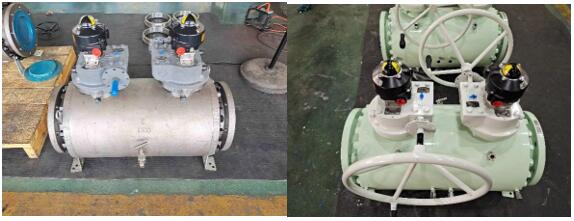
DBB привлекательна тем, что может сократить время простоя. Компактный клапан DBB или двухклапанная система DBB могут изолировать, сбросить давление и выполнить проверку без снятия катушки или установки отдельного глухого фланца. Для установок НПЗ с множеством соединений малого диаметра, дренажей, вентиляционных отверстий, точек отбора проб или приборных отводов эта скорость имеет значение.
Риск при использовании DBB заключается в том, что ее безопасность по-прежнему зависит от целостности седел, правильной прокладки линии сброса, контроля давления и дисциплинированной практики блокировки. Если сброс не направлен в безопасное место, это может создать опасность выброса. Если операторы закрывают два клапана, но не проверяют сброс, система может выглядеть изолированной только визуально. Если седла клапанов повреждены коксом, частицами катализатора, термическим циклом, коррозией или мусором, точка сброса может выявить утечку, а не устранить ее.
Вот почему DBB должна быть четко описана в плане остановки. Подразумевает ли проект два отдельных линейных запорных клапана с дренажем или вентиляцией между ними? Компактный узел из двух клапанов? Один шаровой клапан API 6D с конструкцией седла DBB или DIB? С точки зрения технологической изоляции это не одно и то же.
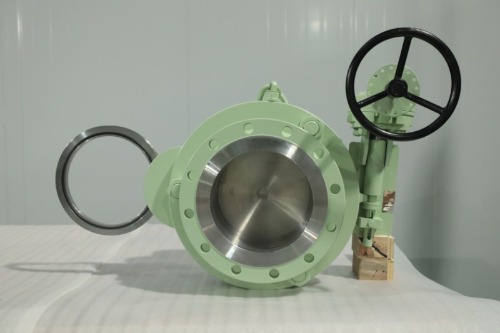
Клапан-заглушка выбирается, когда на объекте хотят, чтобы статус изоляции был физически очевиден. В положении «закрыто» пластина перекрывает проходное сечение; в положении «открыто» проставка или открытый порт обеспечивают поток. Это облегчает командам по техническому обслуживанию и эксплуатации проверку состояния линии во время подготовки к остановке.
Компромисс заключается в механических и пространственных аспектах. Поворотный клапан-заглушка требует свободного пространства для движения пластины. Выдвижной клапан-заглушка требует бокового хода, направляющих и достаточного доступа для эксплуатации и осмотра. Большие размеры, более высокие классы давления, работа с горячими средами или вязкими углеводородами могут потребовать использования редуктора, гидравлического, пневматического или электрического привода. Корпус клапана, глухая пластина, материал уплотнения, болтовые соединения, блокирующее устройство, индикация положения и протокол испытаний — все это становится частью решения об изоляции.
Для остановок НПЗ это дополнительное оборудование может быть оправдано там, где последствия утечки высоки: огневые работы рядом с углеводородными линиями, вход в замкнутое пространство, изоляция от действующей установки, длительный срок технического обслуживания, переключение на другой продукт или вскрытие оборудования после сброса давления и дегазации. Клапан-заглушка не отменяет необходимости газоанализа, контроля разрешений, дренирования, вентиляции или блокировки. Он придает процедуре более обоснованный физический барьер.
|
Критерий выбора |
Клапан-заглушка |
Двойной блок и сброс (DBB) |
|
Принцип изоляции |
Сплошная пластина перекрывает проходное сечение линии |
Два барьера со сбросом/вентиляцией между ними |
|
Верификация |
Визуальное положение пластины плюс блокировка и маркировка |
Точка сброса подтверждает сброс давления или утечку через седло |
|
Лучшее применение |
Остановки, длительная изоляция, вскрытое оборудование, работы с более высокими последствиями |
Частая временная изоляция, тестирование, плановое обслуживание, работы с приборами |
|
Основное ограничение |
Пространство, рабочий крутящий момент, время переключения, механическая сложность |
Зависимость от седел клапанов, прокладки линии сброса, мониторинга, процедурной дисциплины |
|
Вопросы закупок |
Материал глухой пластины, конструкция уплотнения, привод, индикация положения, документы об испытаниях |
Определение DBB/DIB, конструкция седла клапана, сброс из полости, безопасная схема вентиляции/дренажа |
|
Примечание по безопасности |
Сильный физический барьер, но все еще часть более широкой системы разрешений |
Полезный метод изоляции, но не автоматически эквивалентный физической установке заглушки |
шаровой кран API 6D с функциями DBB или DIB — это не то же самое, что клапан-заглушка, установленный для обеспечения видимой физической изоляции. Это недопонимание приводит к составлению слабых запросов предложений (RFQ). Покупатель может запросить «позитивную изоляцию DBB», когда процедура на предприятии фактически требует установки физической заглушки, или может запросить клапан-заглушку, когда для задачи требуется лишь кратковременная проверка DBB.
В RFQ следует указывать цель изоляции, а не только название клапана. Полезные детали включают: рабочую среду, класс давления, температуру, размер трубопровода, стандарт фланцев, продолжительность остановки, будет ли открываться оборудование, расположенное ниже по потоку, связаны ли работы с огневыми работами или входом в замкнутое пространство, требуемые функции блокировки или взаимной блокировки, схему дренажа/сброса, метод управления, стандарт испытаний, требования к сертификату материала (MTC) и инспекционную документацию.
Для остановочных ремонтов на нефтеперерабатывающих заводах более безопасной является спецификация, соответствующая объему работ. Используйте DBB, если процедура на объекте допускает быструю контролируемую изоляцию с помощью клапанов. Используйте клапан-заглушку, когда работа требует создания видимого физического барьера между персоналом и опасным или действующим источником технологического процесса. Если процедура требует и того, и другого, не позволяйте описанию при закупке сводить их к одной расплывчатой фразе «позитивная изоляция».


Авторское право © 2015-2026 DERVOS VALVE CO.,LTD.Все права защищены Блог / Карта сайта / XML / политика конфиденциальности